

- Build in the crate
- 4.7.5
- Made by the team at
- Balsamiq
- Menu languages offered
- English
- How you pay for it
- K'ed by Antibiotics
- macOS it plays on
- macOS 10.15 or later
- CPU it runs on
- Apple Silicon, Intel 64-bit
Screenshots
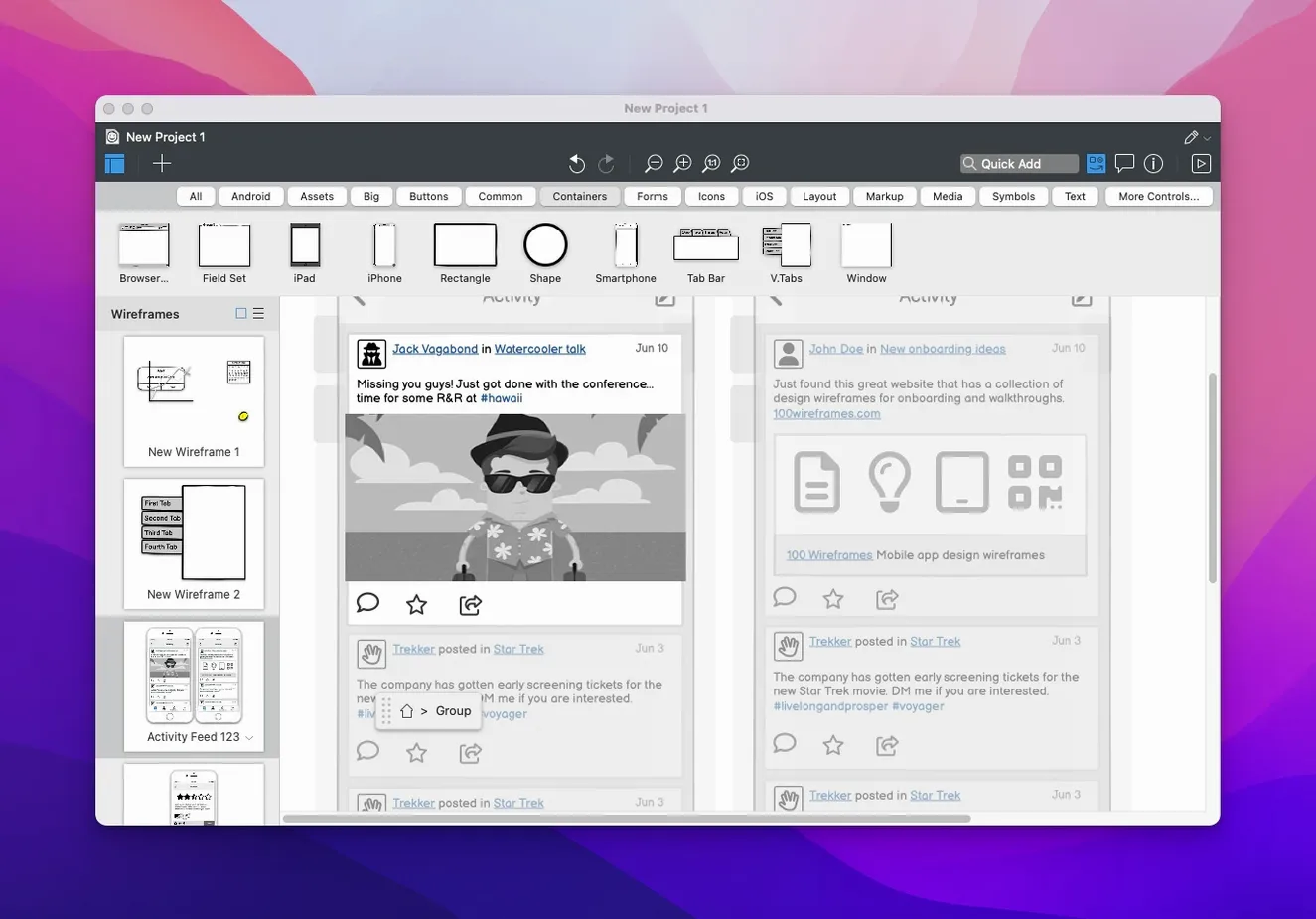
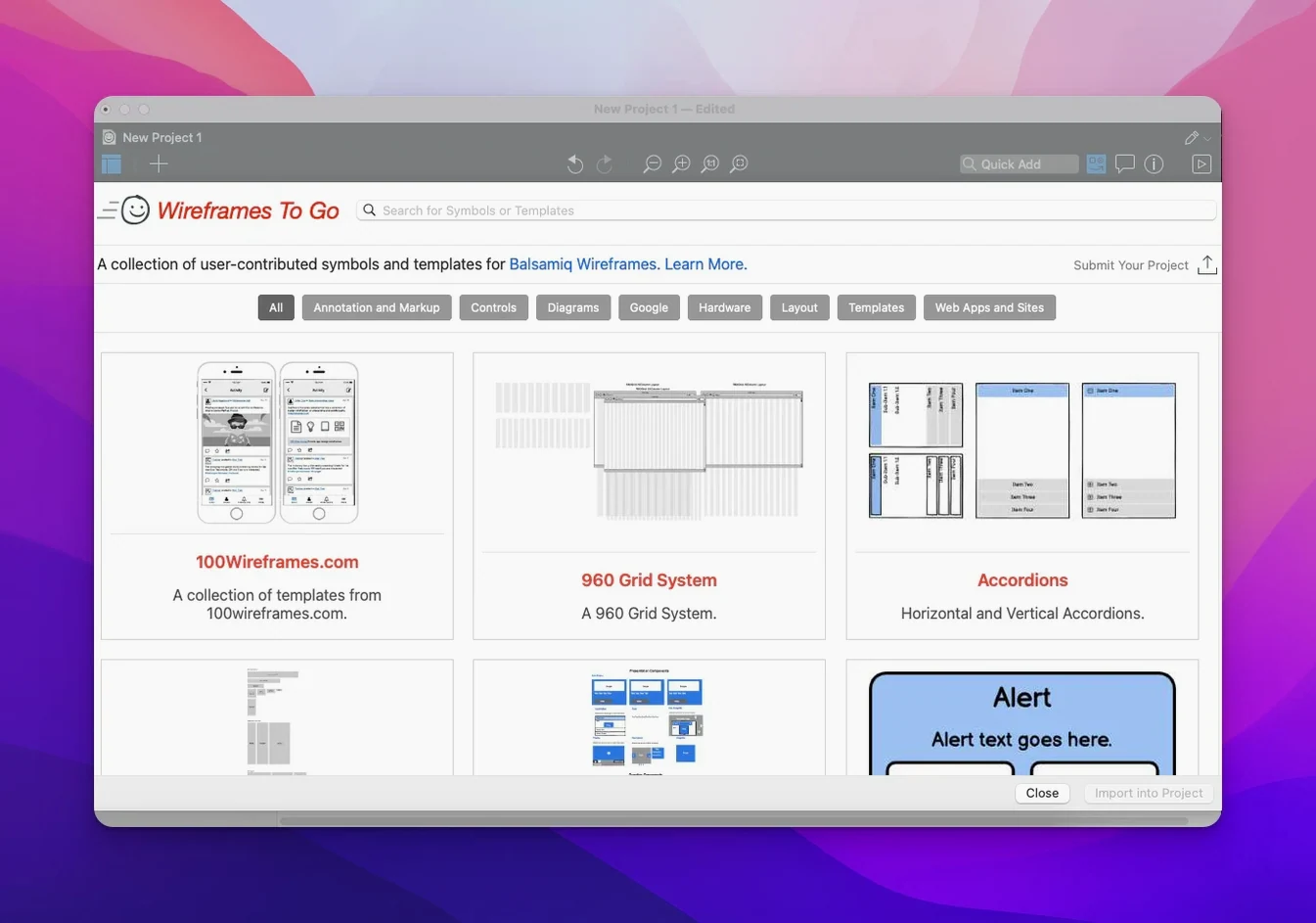
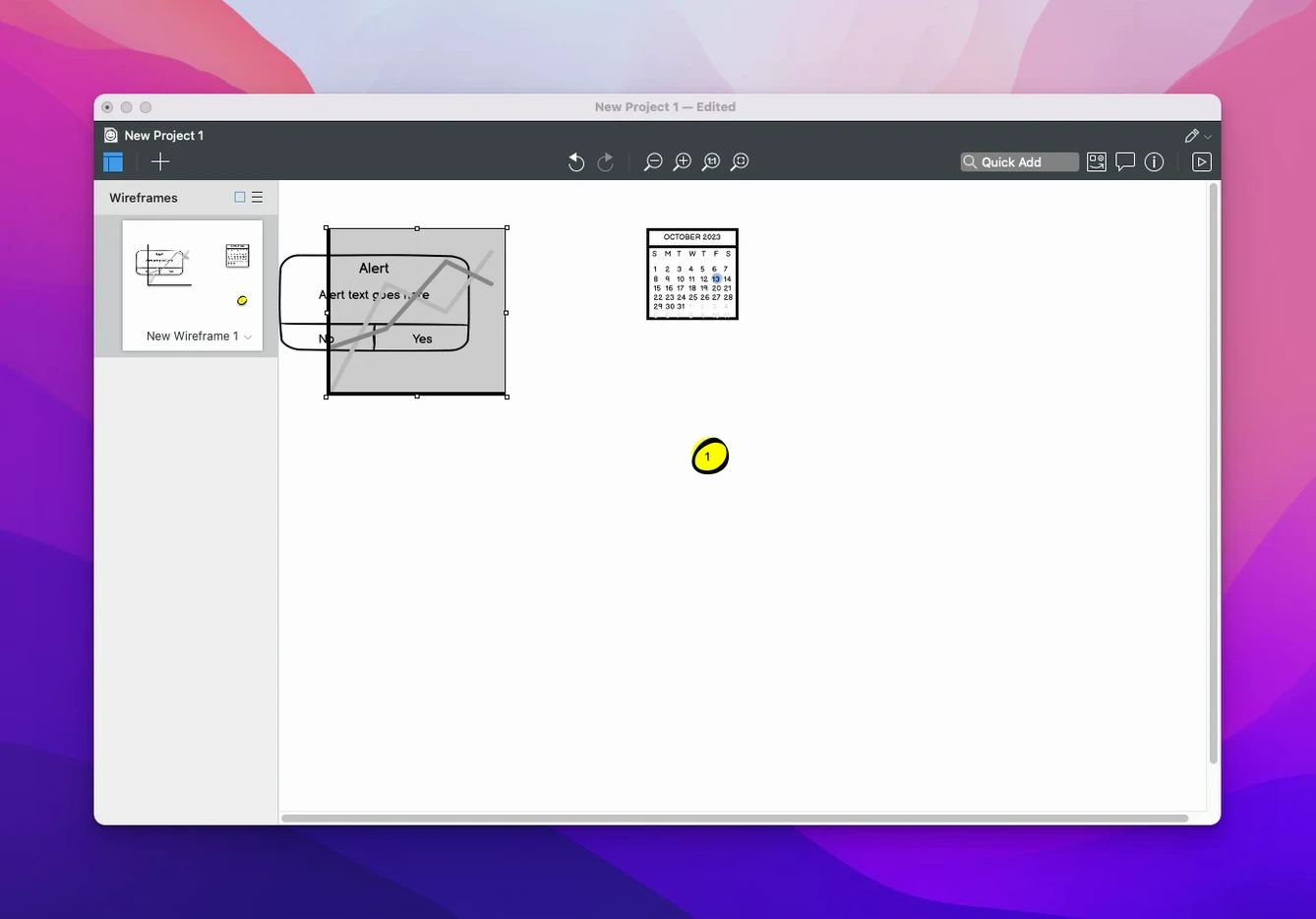
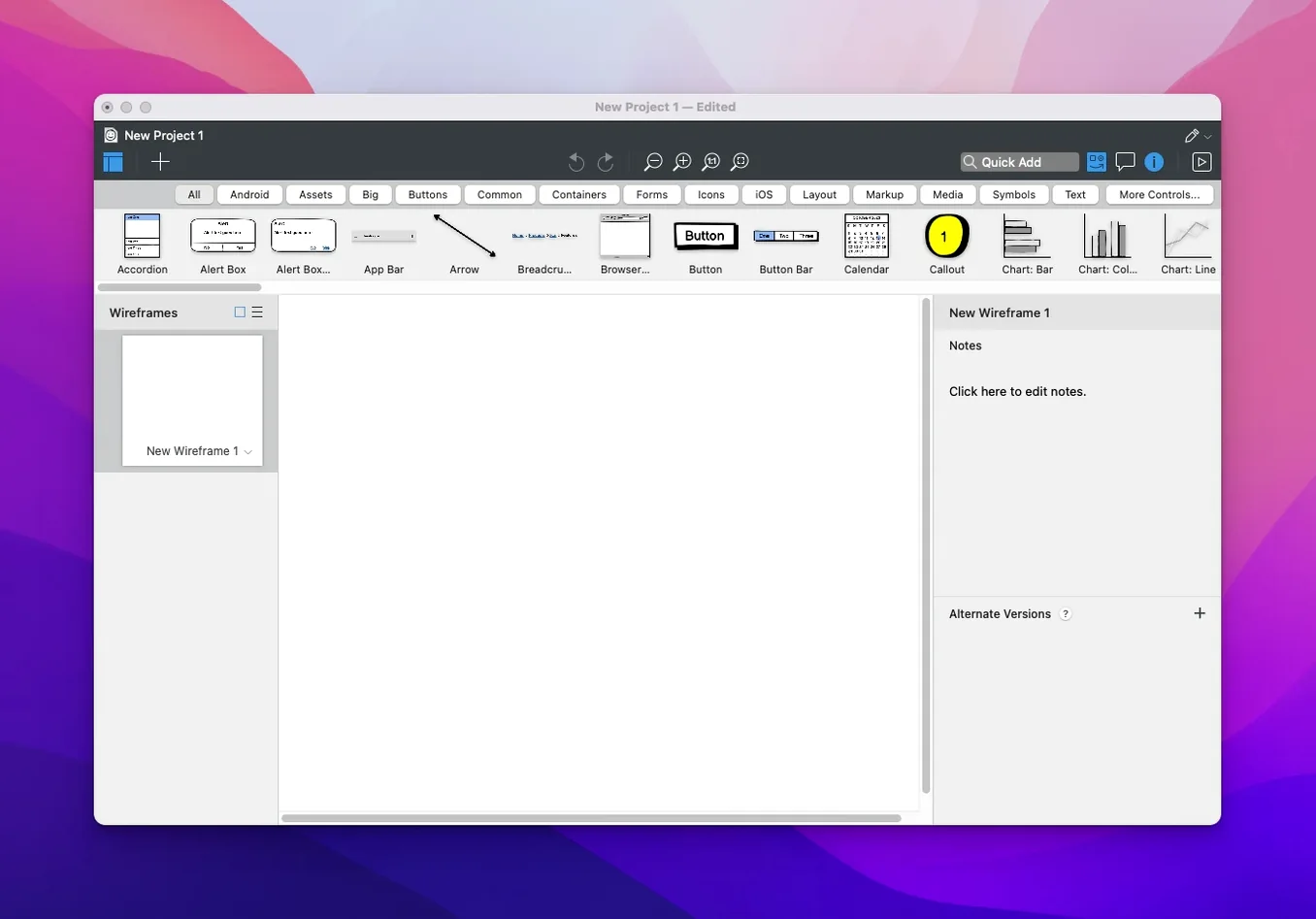
Balsamiq Wireframes 4.7.5 brings a refined Quick-Add filter and restores Quick Look on the latest macOS. The app stays a native macOS tool, delivered as a .dmg or a .zip for multi-machine installs.
macOS 10.15 or later required
You need macOS 10.15 or later. The app supports both Apple Silicon and Intel 64-bit Macs, so it runs on the M2 Air as well as older Intel models.
What do you get?
It's an interactive virtual board for sketching and presenting new projects. You get project management tools and ready-made templates to start quickly. Low-fidelity wireframes stay intentionally rough, so clients focus on structure, not pixels.
drag and drop into Applications
Mount the disk image, drag the app into Applications, and it's ready. The README covers activation. That's the whole process.
Building a first wireframe from scratch
Start a new project from the welcome screen. Pick a blank canvas or one of the ready-made templates if you want a head start. For a simple mobile sign-in screen, a blank canvas works fine.
Open the Quick-Add tool — it's the fastest way to place elements. Type "button" and a default button appears. Type "text field" and you get an input box. The improved filter in version 4.7.5 makes this even quicker, narrowing results as you type. Drag elements around to arrange them. Keep it rough: Balsamiq's charm is that nothing looks final, so clients talk about layout, not font choices.
Add a few labels, a checkbox for "remember me" and a submit button. Group related elements so you can move them together. Use the project panel to name your screen and add a description. That's your first screen done in a few minutes.
tweak built-in templates to learn fast
Spend an hour exploring the built-in templates. They cover common layouts like login screens, dashboards and settings pages. Opening one and tweaking it teaches you the component library faster than starting from scratch every time.
Use the Transform control early. It lets you resize and rotate elements without losing their hand-drawn look. The Quick-Add filter update in 4.7.5 also works here, so you can swap one element for another without deleting and re-adding.
If you work on multiple machines, grab the .zip version from the download. It unpacks to the same app and saves you mounting the .dmg each time. Keep the README handy for activation steps — it's straightforward but easy to skip.
A typical session: sketching a dashboard
I open Balsamiq Wireframes on a Tuesday afternoon, planning a dashboard for a team project. The welcome screen shows recent files, so I start a new one from a template called "analytics dashboard". It already has chart placeholders, a sidebar and a header.
I replace the dummy charts with wireframe-friendly bar graphs from the component library. The Quick-Add tool lets me search for "bar chart" and drop it in. I adjust labels with the text tool — no need to match a style guide, just clear labels for the team to review.
Next, I add a few more screens: a settings page and a user profile page. I duplicate the dashboard to keep the same header and sidebar, then change the content area. The project panel keeps all screens organised, and I can reorder them for the presentation.
After forty minutes, I export the whole project as a PDF and share it. The team gives feedback on the structure, not on whether the buttons have the right shadow. That's the whole point of low-fidelity wireframing, and Balsamiq makes it quick.
Balsamiq calls it native for macOS, and the .dmg install follows the usual Mac pattern. No web wrapper feel here.
- Improved the filter for Quick-Add and Transform control.
- Restored Quicklook support on the latest macOS.
- macOS 10.15 or later
- Apple Silicon or Intel 64-bit
Kit check at a glance
| System | macOS 10.15 or later |
| Chip | Apple Silicon, Intel 64-bit |
| Download | 54 MB |
| Older pressings | 2 in the crate |







Chat from the booth
Sign in or grab a free account to leave a comment.
Nobody has said a word in the booth yet. If you played a set with this build, tell the next person how it went.