
- Build in the crate
- 18.0.1
- Made by the team at
- Koingo Software
- Menu languages offered
- English
- How you pay for it
- K'ed by TNT team
- macOS it plays on
- macOS 13 or later
- CPU it runs on
- Apple Silicon, Intel 64-bit
Screenshots
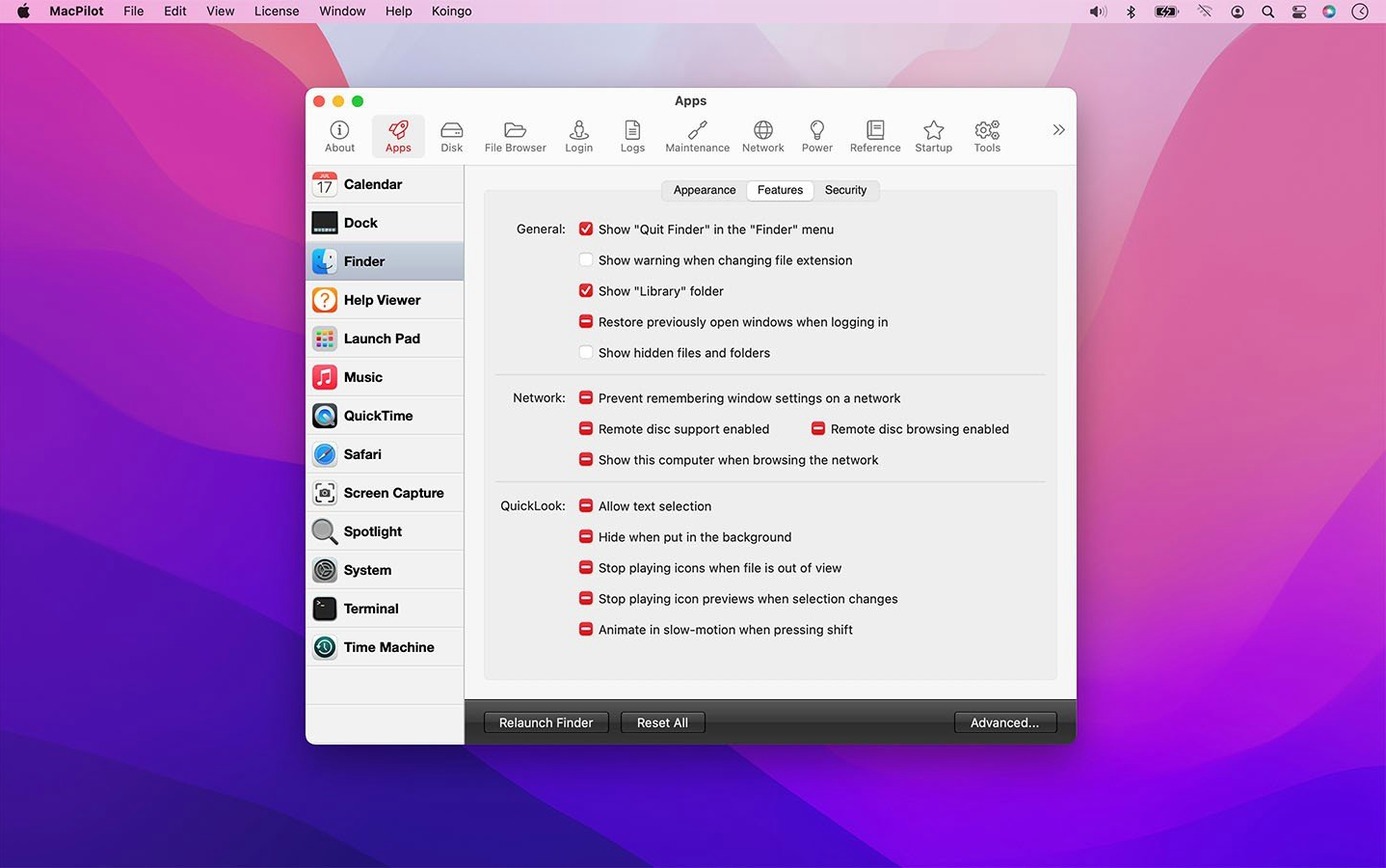
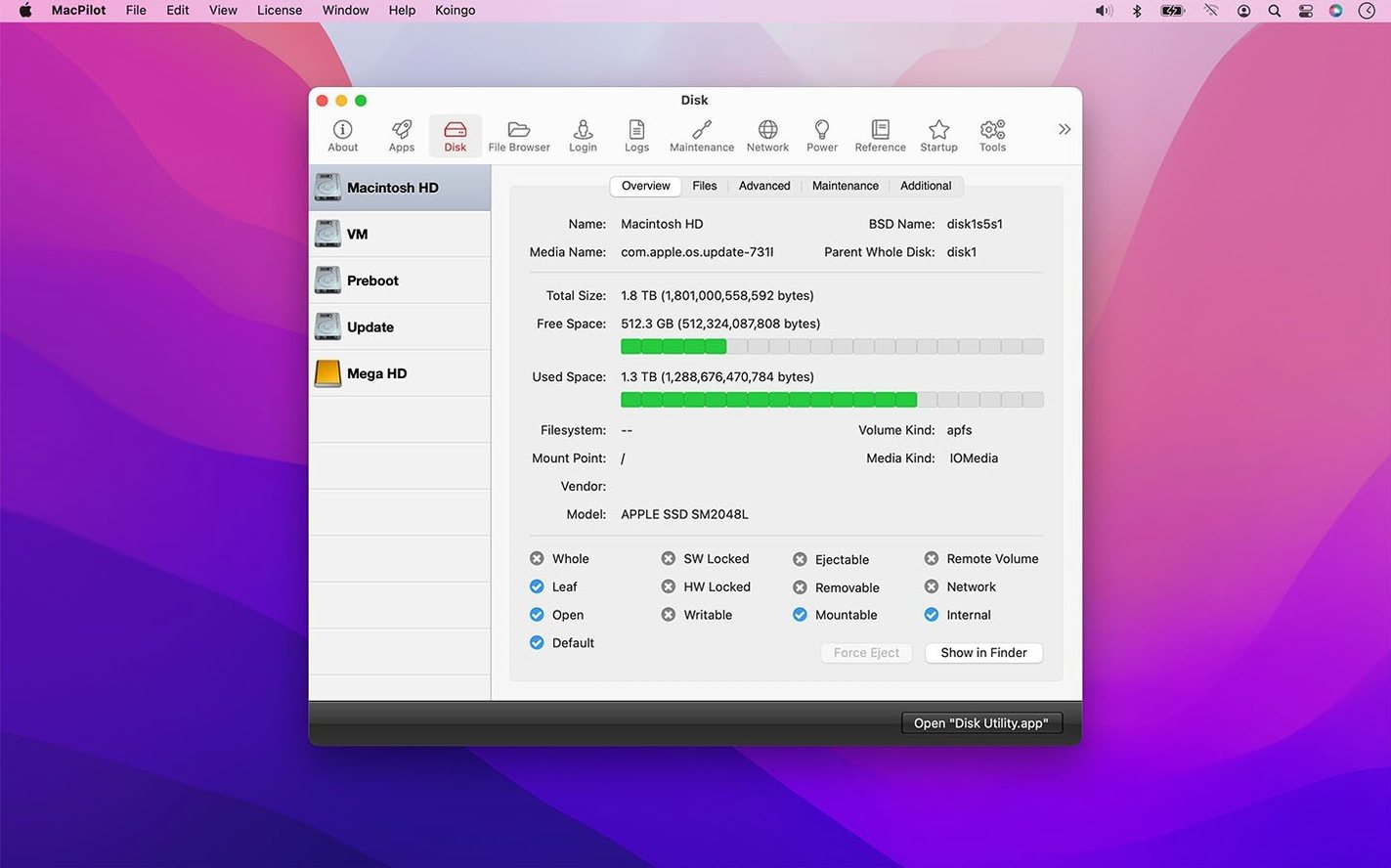
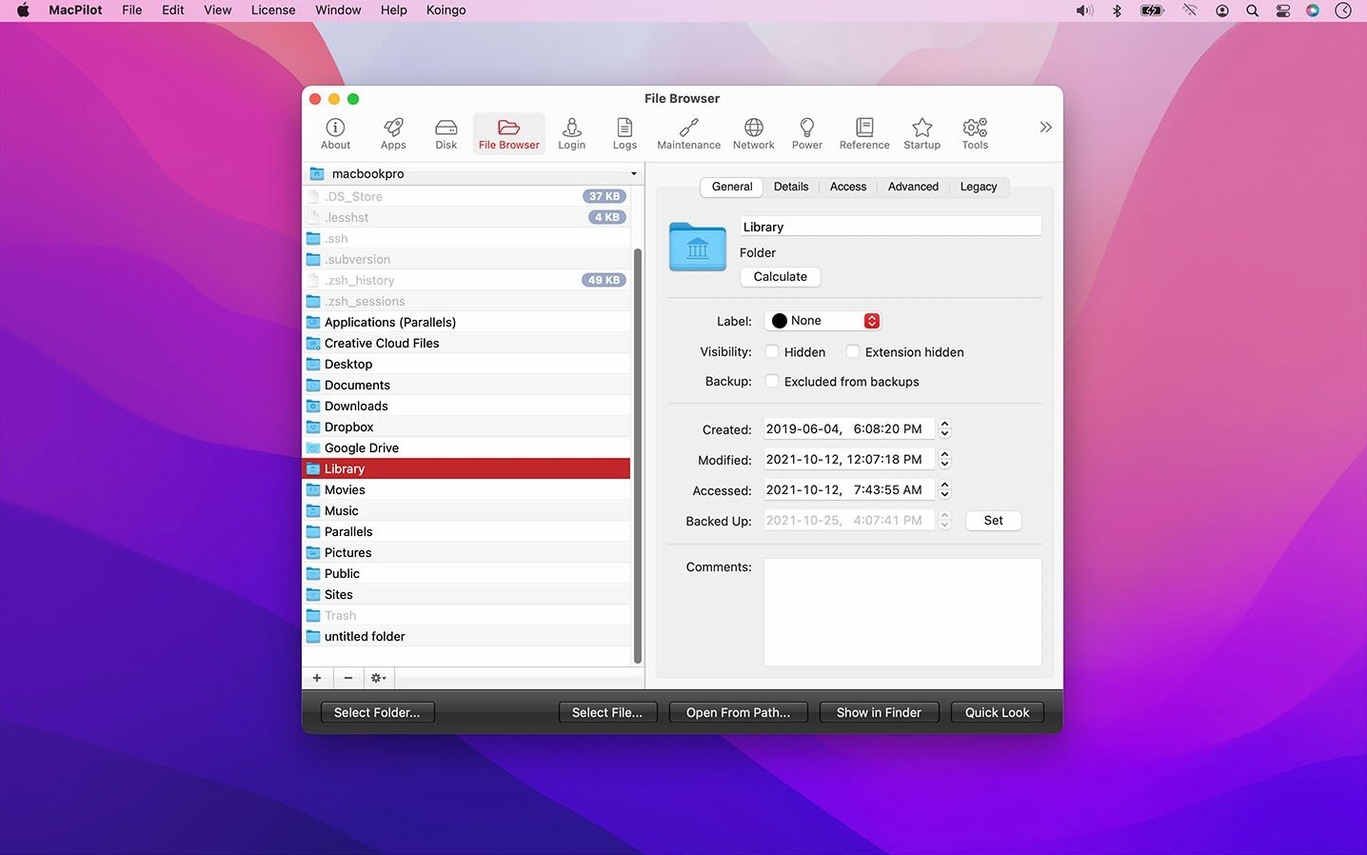
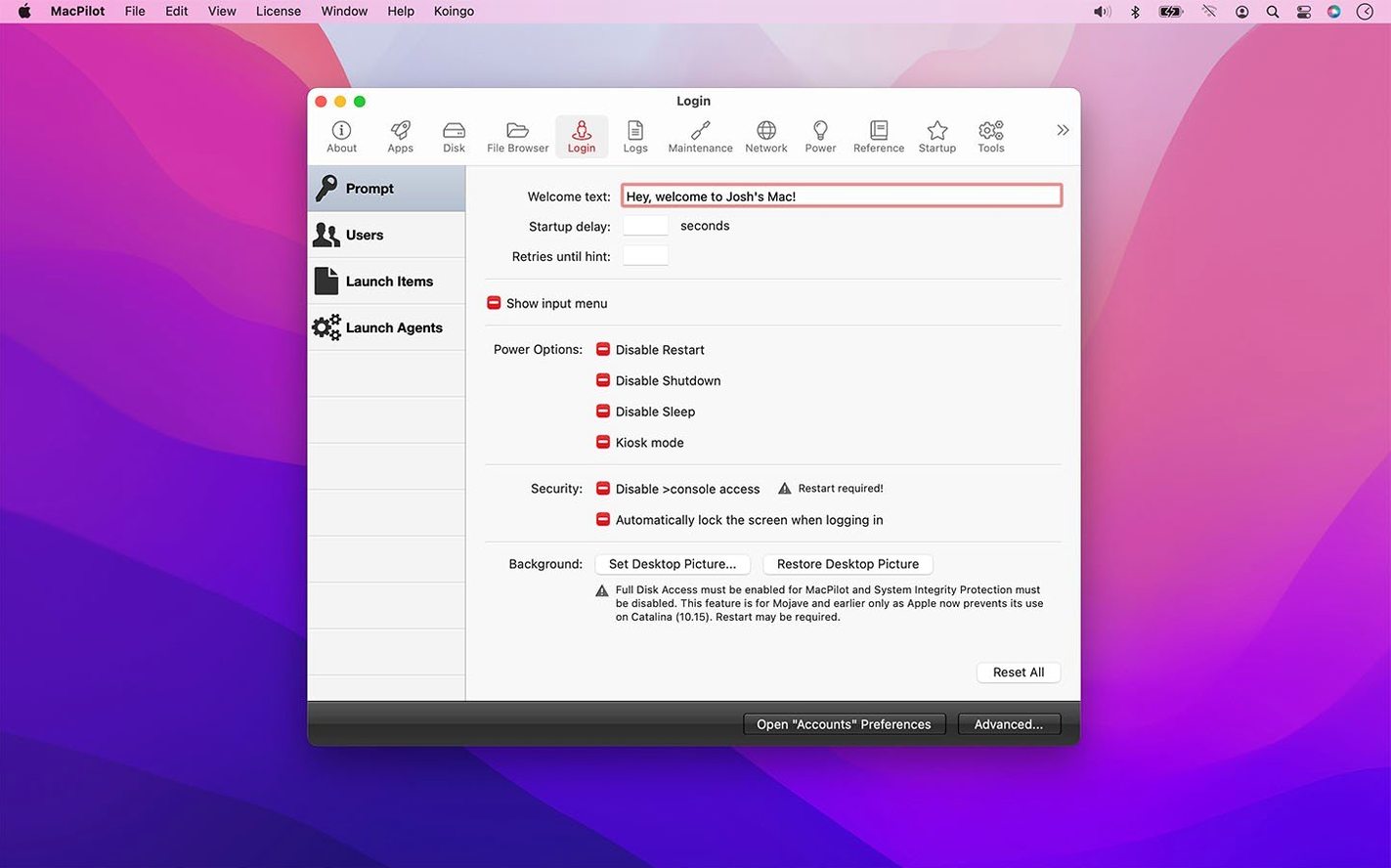
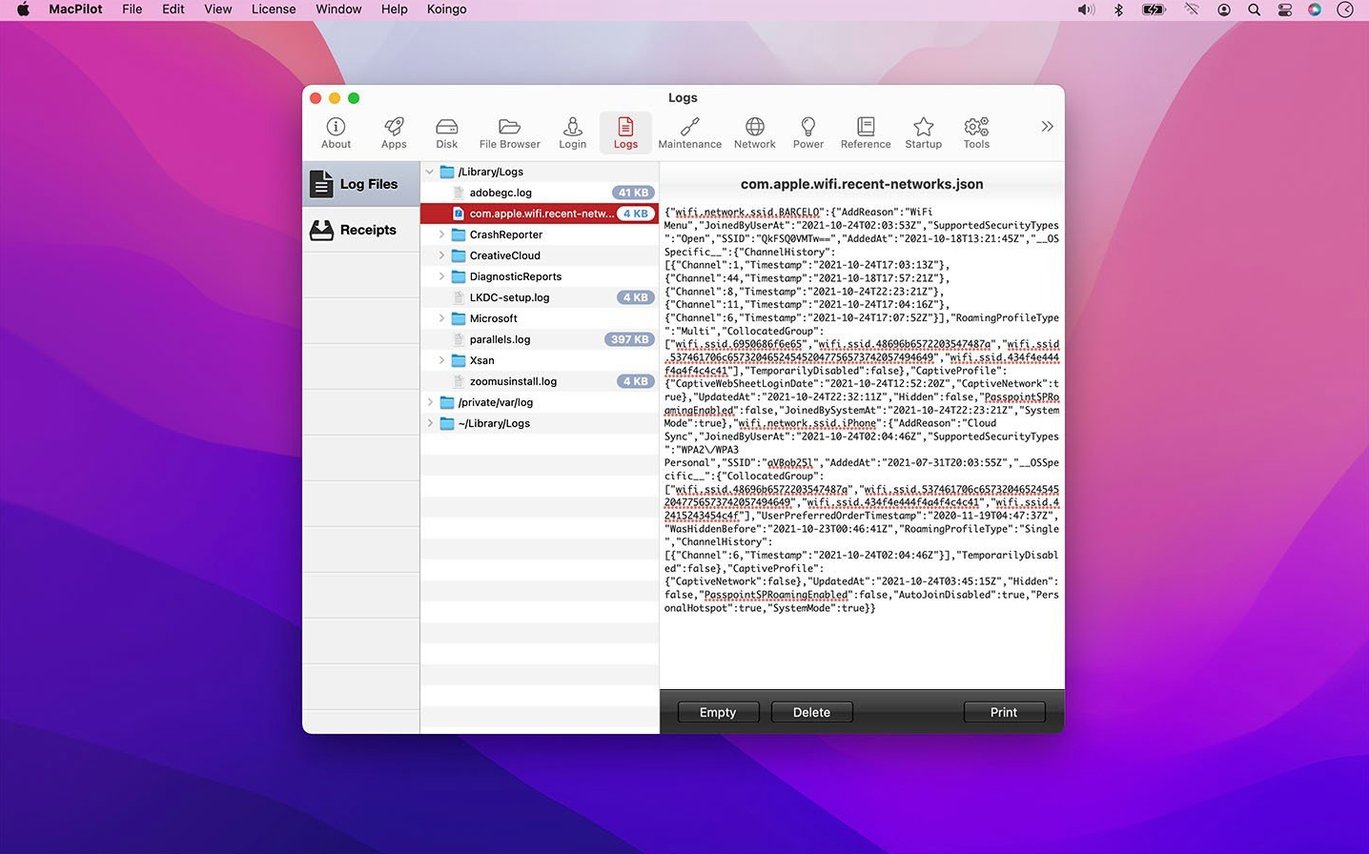
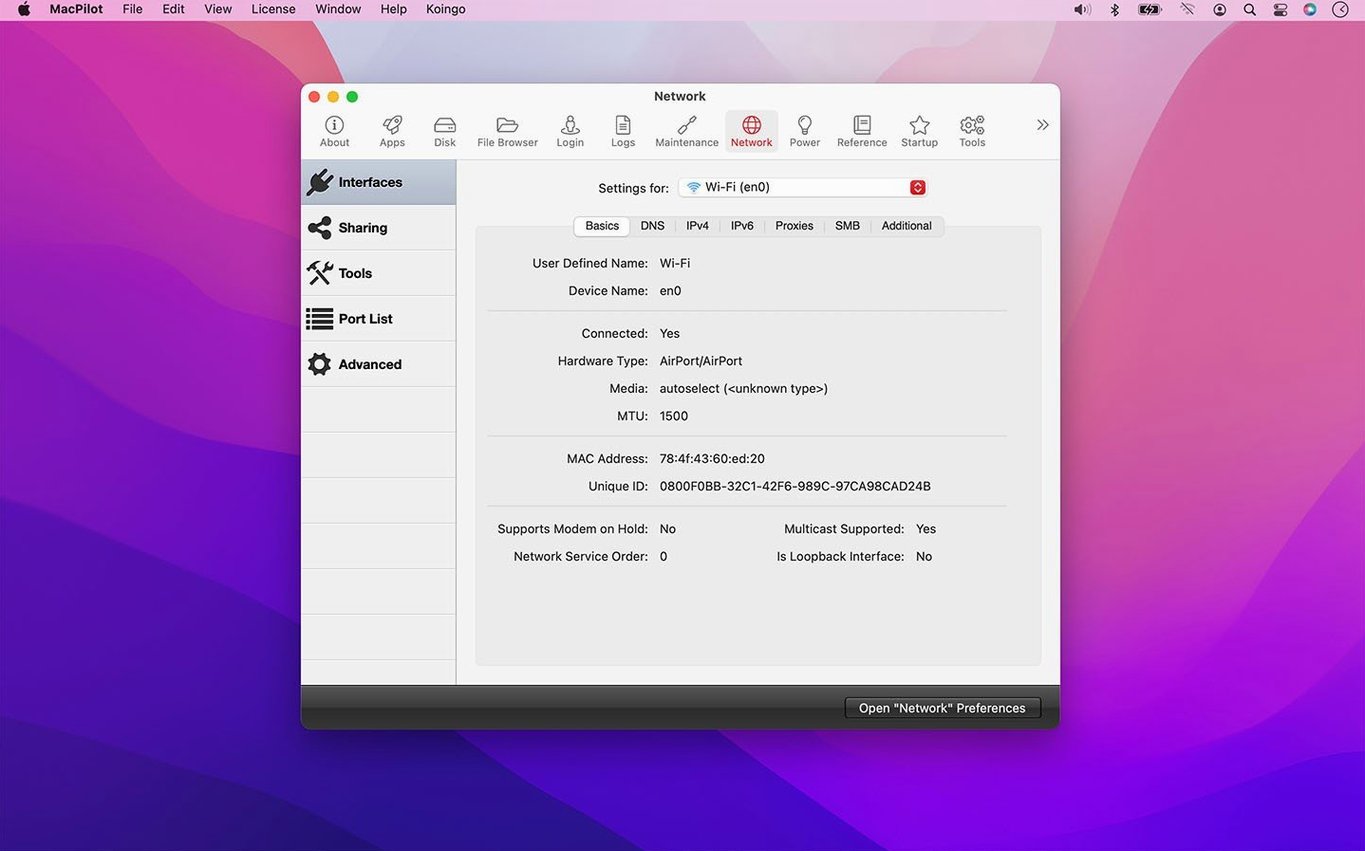
You know that feeling when macOS hides a useful setting behind a Terminal command you can never remember. MacPilot solves that. It’s a utility that exposes hundreds of hidden system preferences — no digging through plists or hunting for obscure flags. For an experienced user, the deeper tools matter: a file browser that reveals invisible and system files, a property list editor, a hex editor, and even an I/O benchmark. The system profile view gives you extended hardware info beyond what About This Mac shows. You can force empty the Trash, change the startup sound, or toggle hidden files in Finder without touching a single shell command. Version 18.0.1 improves file date handling for creation, access, and backup dates, and makes editing protected settings safer. It runs on both Apple Silicon and Intel Macs, so it works as well on your M2 MacBook Air as on an older machine.
Requires macOS 13 Ventura or later
MacOS 13 Ventura or newer is required by MacPilot 18.0.1. That’s the baseline — no support for Monterey or earlier versions. The app runs natively on both Apple Silicon (ARM) and Intel (x86 64-bit) Macs, so you don’t need to worry about emulation or performance layers. The interface is in English only, which keeps things straightforward. Installation is simple: mount the disk image, then run “Open Gatekeeper friendly” from the terminal to bypass Apple’s security checks. Drag the app into your Applications folder. If it doesn’t open, right-click and choose Open with Rosetta — that usually sorts any launch issues on Intel Macs running through translation.
A workflow: hiding Finder clutter for a clean screenshot
Say you need a clean screenshot of your desktop for a presentation. Normally you’d hide icons manually or script it. With MacPilot, it’s a few clicks. Open the app and go to the Finder section. Toggle “Show hidden files” off — that clears the clutter from invisible items. Then switch to the Desktop category and disable “Show external disks” and “Show mounted servers” if they’re on. Next, head to the Screenshot settings. Set the screenshot file format to PNG or JPEG based on your requirement. Finally, run the maintenance tools: clear the system cache and reset the Spotlight index if you want the desktop looking fresh. Take your screenshot. When you’re done, flip everything back — the toggles remember their last state, so it’s quick to reverse.
Gatekeeper fix after installation
People run into a few recurring issues. First, the app won’t open after installation. That’s usually Gatekeeper. Make sure you ran the terminal command from the disk image before dragging the app. If you skipped it, right-click the app in Applications, choose Open, and confirm. If that still fails, use Open with Rosetta as mentioned.
Second, a setting doesn’t apply after toggling it. Some macOS preferences require a logout or restart to take effect — MacPilot can’t override that. Check the feature description in the app; it often notes whether a restart is needed. If not, try force quitting Finder via the app’s tools menu.
Third, the property list editor or hex editor feels slow or unresponsive. Version 18.0.1 improved reliability for those tools, but if you’re editing a large plist, give it a moment. The file browser can show invisible and system files, so double-check you’re not editing a protected system file — the app’s safety improvements help, but it’s still wise to back up before changing anything in /System or /Library.
Finally, the system profile view might not show everything you expect. It extends what About This Mac offers, but some hardware details depend on your Mac’s firmware version. If a sensor or disk statistic is missing, it’s likely a macOS limitation, not a bug in MacPilot. The I/O benchmark runs as expected, but results vary by hardware — don’t compare across different Mac models.
- Improved file date handling for creation, access, and backup dates
- Improved command progress, failure, and cancellation reporting
- Improved safety when editing protected preferences, property lists, logs, Trash contents, NVRAM settings, and login pictures
- Improved reliability of the Features Database, property list editor, Hex editor, File Browser, Manuals viewer, and I/O Benchmark
- macOS 13 Ventura
- Apple Silicon or Intel processor
- Interface language: English
Kit check at a glance
| System | macOS 13 or later |
| Chip | Apple Silicon, Intel 64-bit |
| Download | 74 MB |
| Older pressings | 6 in the crate |





Chat from the booth
Sign in or grab a free account to leave a comment.
Nobody has said a word in the booth yet. If you played a set with this build, tell the next person how it went.