

- Build in the crate
- 1.1
- Made by the team at
- BUNKWORKS
- Menu languages offered
- English
- How you pay for it
- Not required
- CPU it runs on
- Apple Silicon, Intel 64-bit
- Dropped on
- 23.06.2026
- Spoken voice in
- Music only
Screenshots
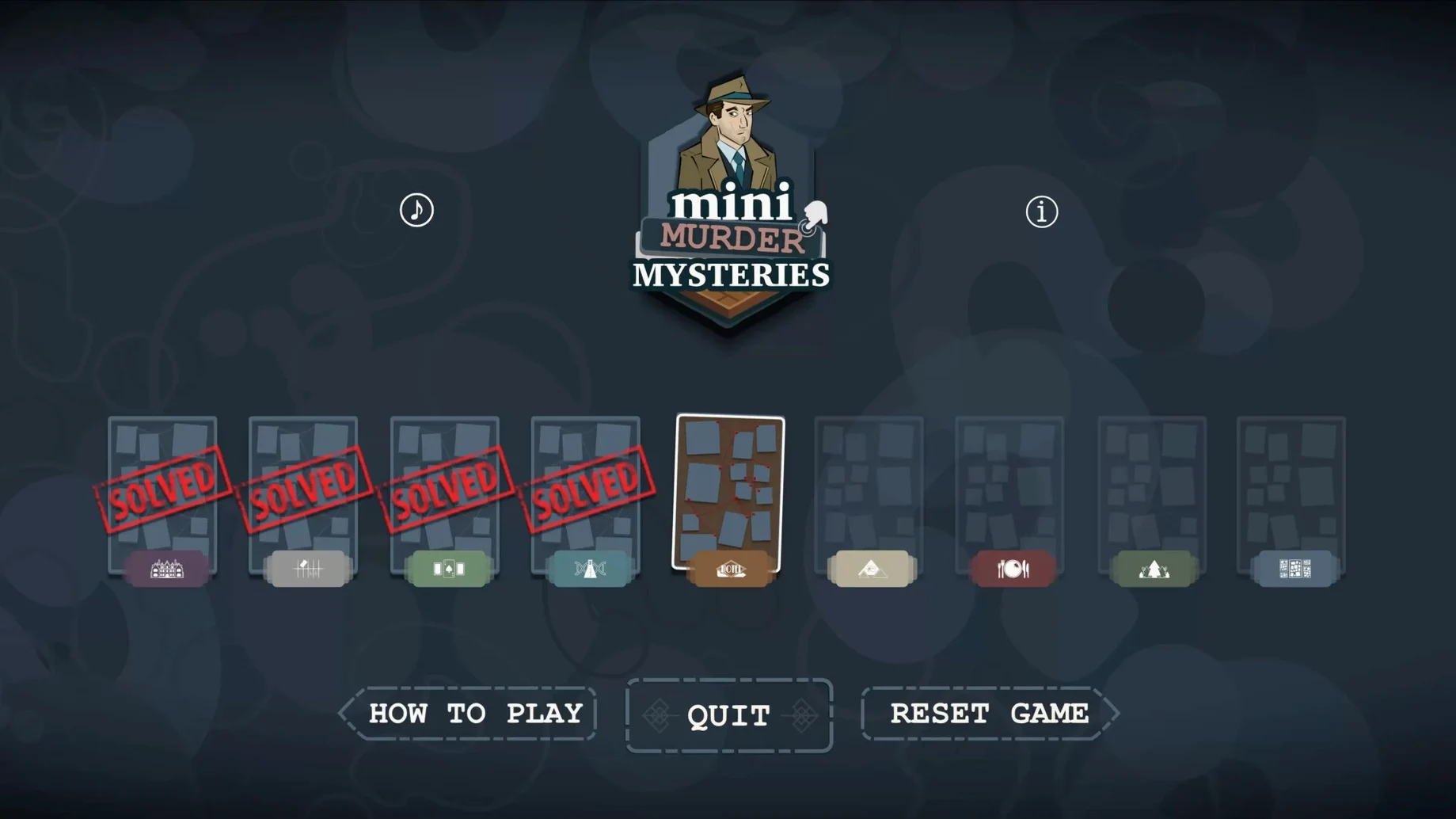
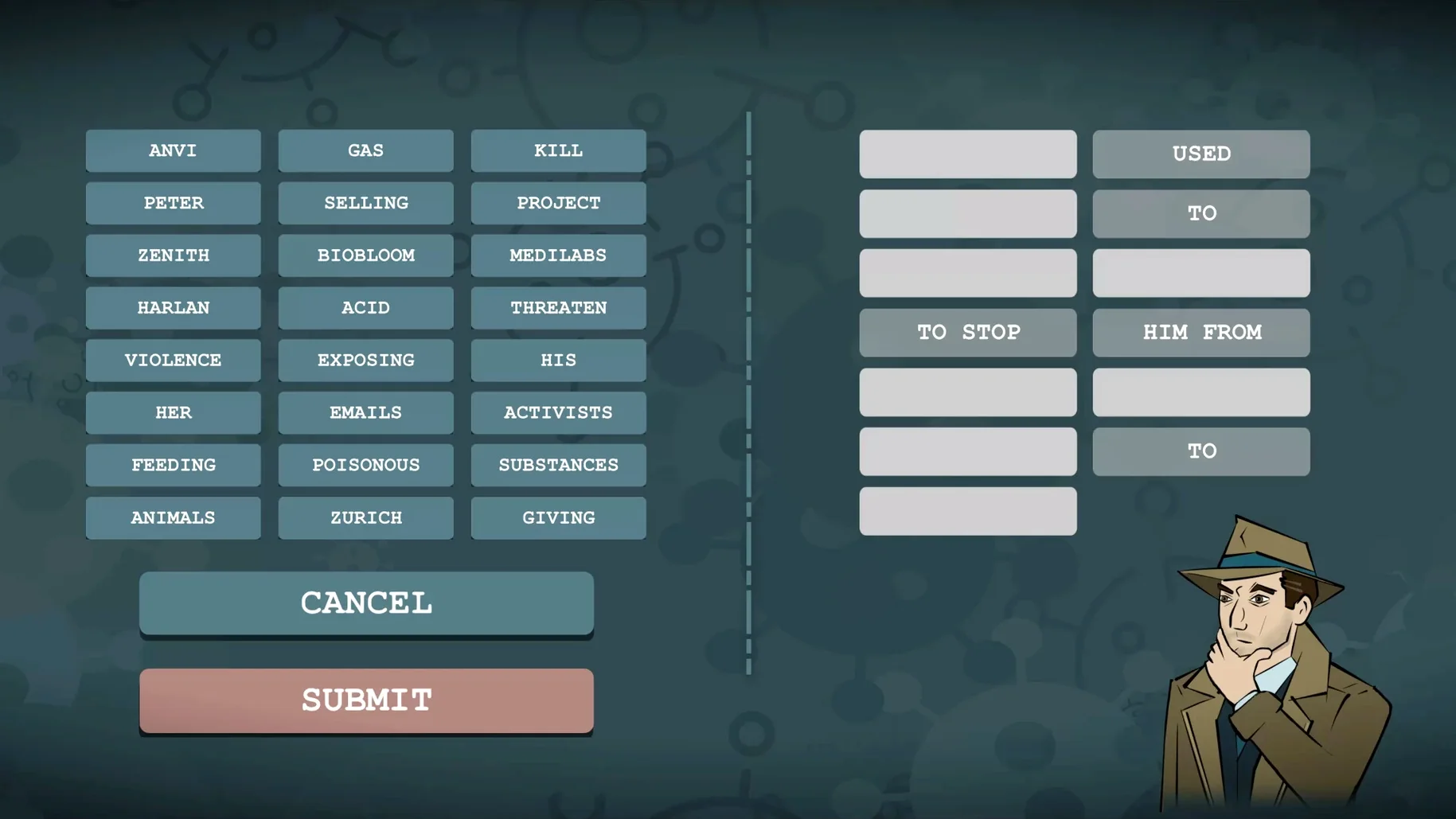
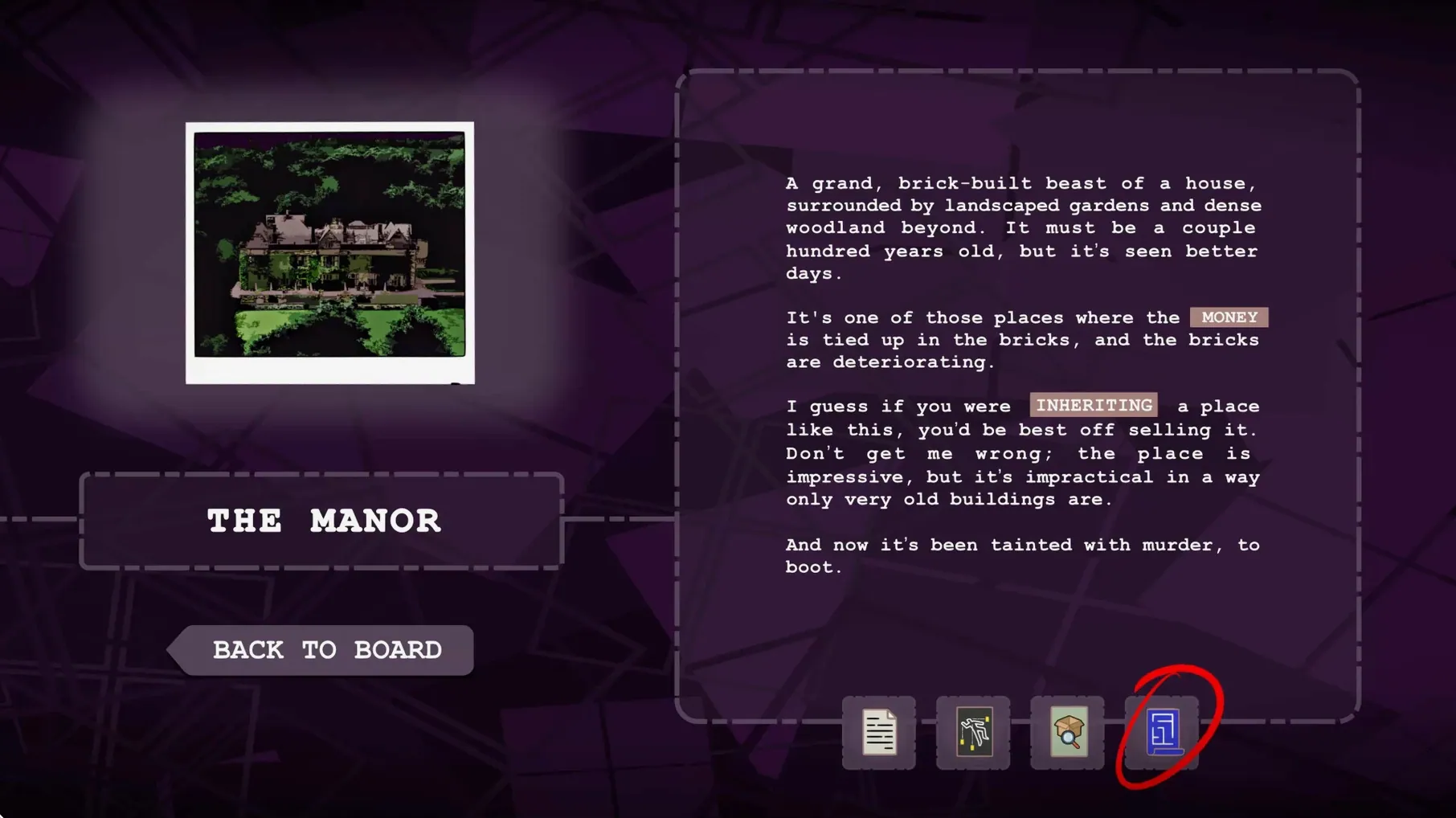
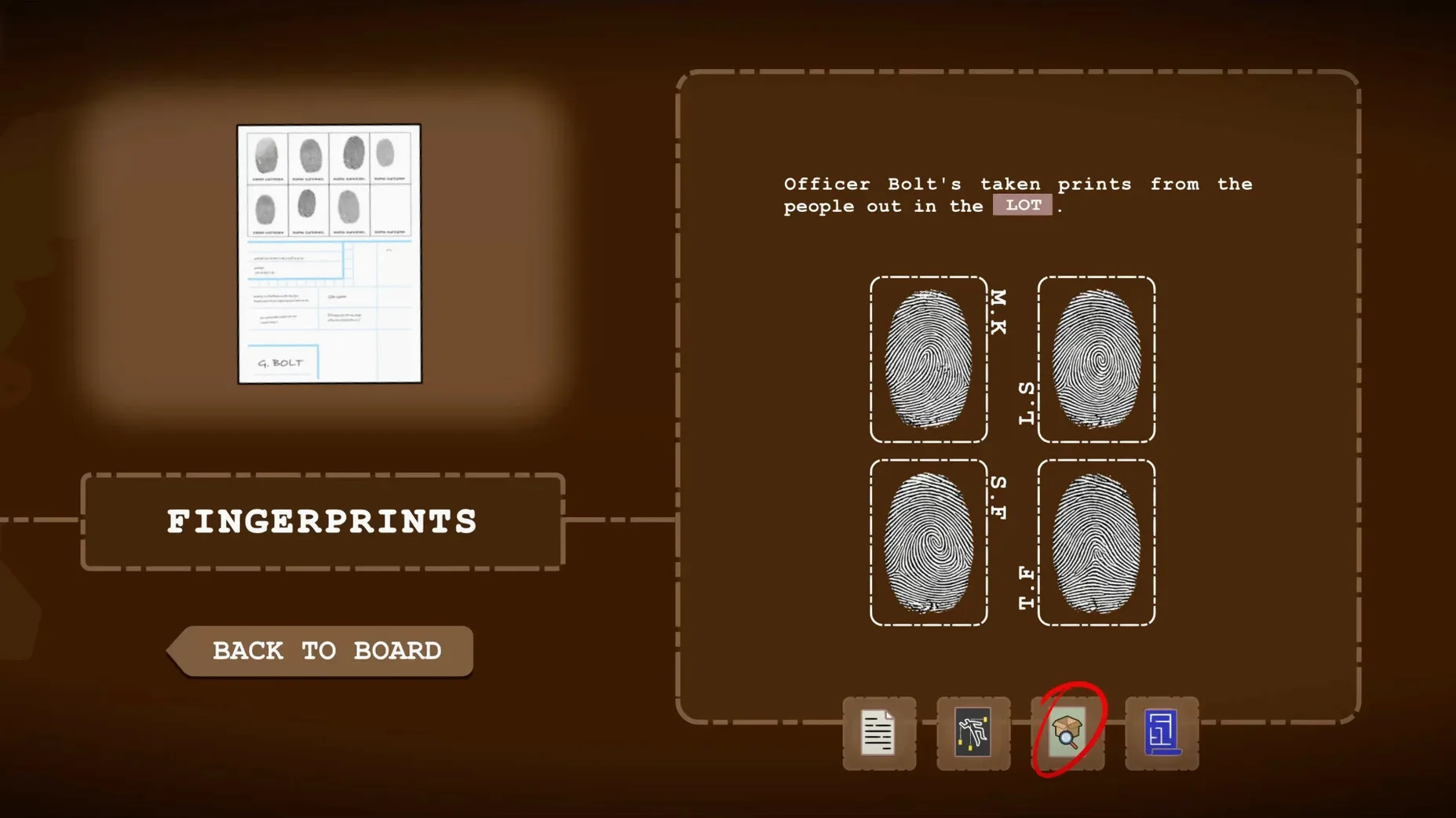
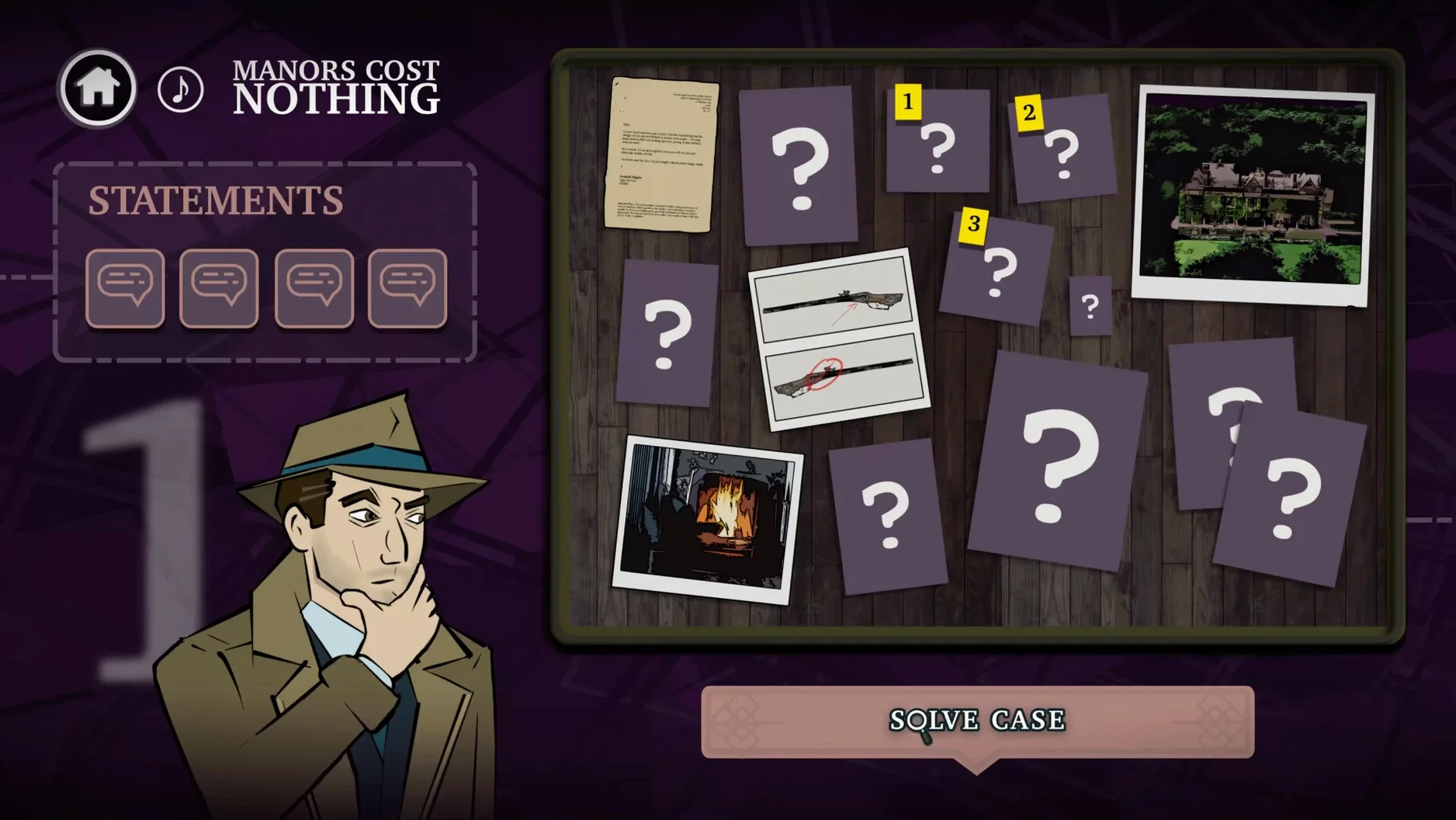
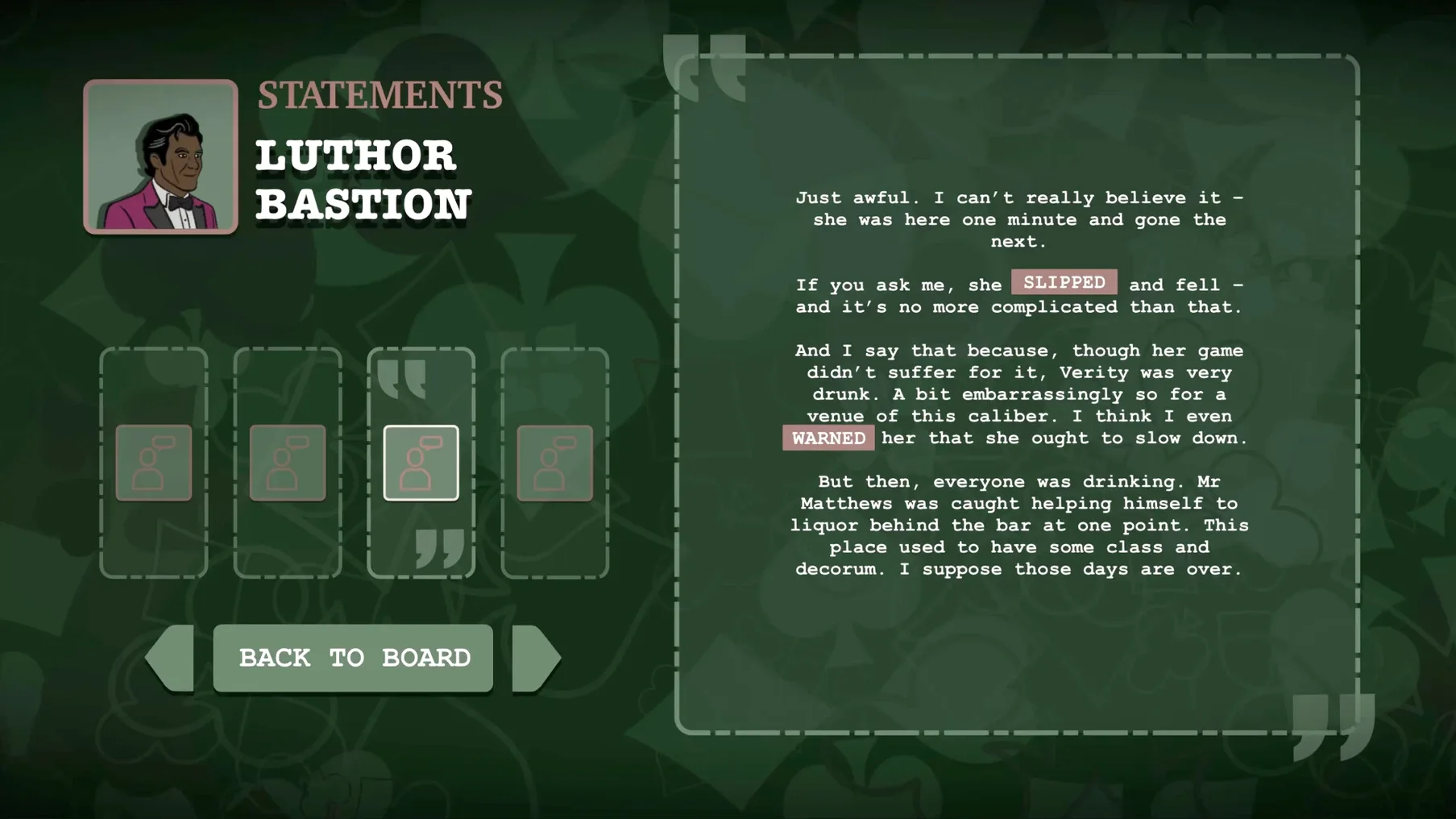
Right from the first case, the 24 Deduction Words system sets the tone. You're not just clicking through dialogue; you're weighing each witness statement against a fixed set of clues, deciding what matters and what's a red herring.
| Detail | Info |
|---|---|
| Developer | BUNKWORKS |
| Version | 1.1 |
| Cases | 9 standalone mysteries |
| Release date | 2026-06-23 |
| Platform | Mac, iOS |
Each case drops you into a different setting—old mansions, museum exhibits, restaurant kitchens, even biochemical labs. The variety keeps the deduction fresh. You analyze witness statements, cross-check them against those 24 words, and piece together what actually happened. It's cozy in pacing but sharp in logic. And since it runs offline, you can play anywhere without a connection. Both ARM and x86 64-bit Macs are supported, so it'll start on just about any Mac you have. If you fancy a low-key detective puzzle that respects your brain, this is worth a look.
Observing frozen moments vs. connecting contradictions
If you've looked at detective games on Mac before, you've probably come across Return of the Obra Dinn and The Case of the Golden Idol. Both are excellent, but they take different approaches. Obra Dinn is all about observing frozen moments and matching faces to names—there's a strong visual memory component, and the stakes feel higher. Golden Idol asks you to fill in text fields based on scene observations, which works well but can feel a bit rigid.
Mini Murder Mysteries sits somewhere between them. The 24 Deduction Words per case give you a bounded puzzle space, unlike Obra Dinn's open-ended investigation. And unlike Golden Idol, you're not typing guesses—you're selecting from a curated set, which reduces friction. The game also feels lighter. The cases are shorter, the tone is warmer, and there's no pressure to get everything right on the first pass. It's more like a logic puzzle book than a high-stakes crime scene.
Another comparison is Her Story, which is also about piecing together statements. But Her Story uses video clips and a keyword search system, while Mini Murder Mysteries gives you all the clues upfront and asks you to connect them. Different rhythm, same satisfaction.
Twenty-minute train ride cases
Let's say you're a puzzle fan who takes the train into work. You have about twenty minutes each way—enough for a quick distraction but not enough for a sprawling RPG. Mini Murder Mysteries fits that slot well. You can open a case, read through the witness statements and clue descriptions, and start matching Deduction Words. Because the cases are standalone, you don't need to remember where you left off. And since the game works offline, you don't need a hotspot or worry about signal drops.
The museum exhibit case, for example, takes about fifteen minutes once you understand the word system. By the time you reach your stop, you've solved one mystery and feel like you've actually used your brain. It's not mindless tapping; it's active deduction that fits into a short window.
Red herrings and double-reading witness statements
Start with the first case and read every witness statement twice. The game is generous with red herrings—some statements sound important but lead nowhere. The real clues are often in the details that contradict each other.
Don't try to use all 24 Deduction Words. The game tells you only a small fraction are needed for the correct conclusion. If you find yourself forcing a word into the solution, step back and re-read the statements. The right answer usually feels obvious once you spot the contradiction.
Take notes if you enjoy that kind of thing. A simple text file or a notebook page per case helps track which witness said what. The game doesn't include a built-in notebook, so your own system works fine.
If you get stuck on one case, skip to another. The cases are independent, so moving to a different setting—say, from the restaurant kitchen to the biochemical lab—can reset your thinking. Come back later with fresh eyes.
Finally, pay attention to the connected mystery that runs through the nine cases. It's easy to treat each case as isolated, but the game hints at a larger story. Small details from early cases might matter later.
- macOS (version not specified)
- Supports ARM (Apple Silicon) and x86 64-bit (Intel) Macs
Kit check at a glance
| Chip | Apple Silicon, Intel 64-bit |
| Download | 102 MB |








Chat from the booth
Sign in or grab a free account to leave a comment.
Nobody has said a word in the booth yet. If you played a set with this build, tell the next person how it went.