
- Build in the crate
- 1.0 fix
- Made by the team at
- Monolith Productions
- Menu languages offered
- Russian, English, German, Spanish, Italian, Polish, Portuguese, French
- How you pay for it
- Not required
- CPU it runs on
- Intel 64-bit
- Played on
- macOS Sequoia, MacBook Air (M1. 2020)
- Dropped on
- 30.09.2014
- Spoken voice in
- English, German, Spanish, Italian, Portuguese, French
Screenshots
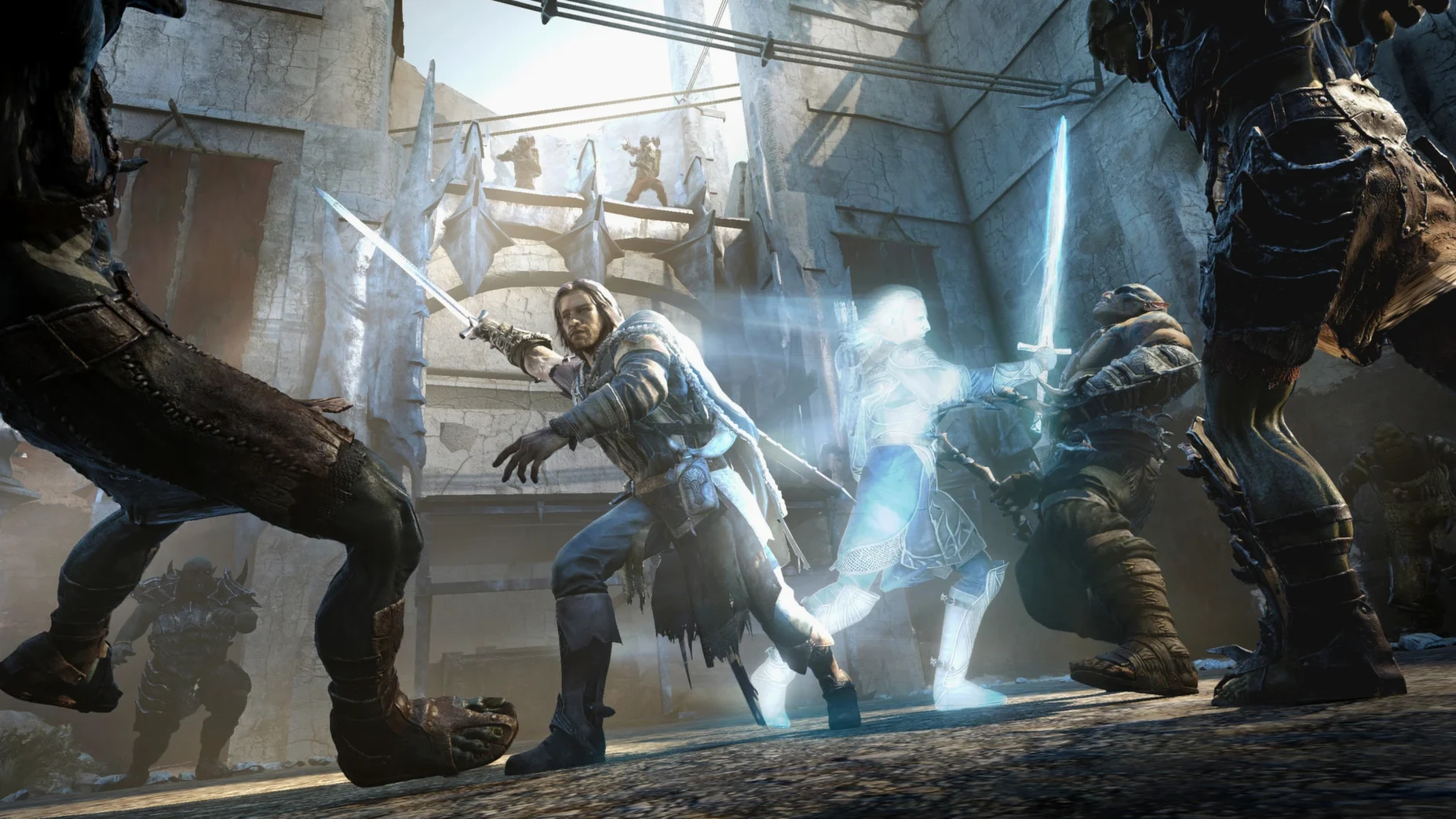
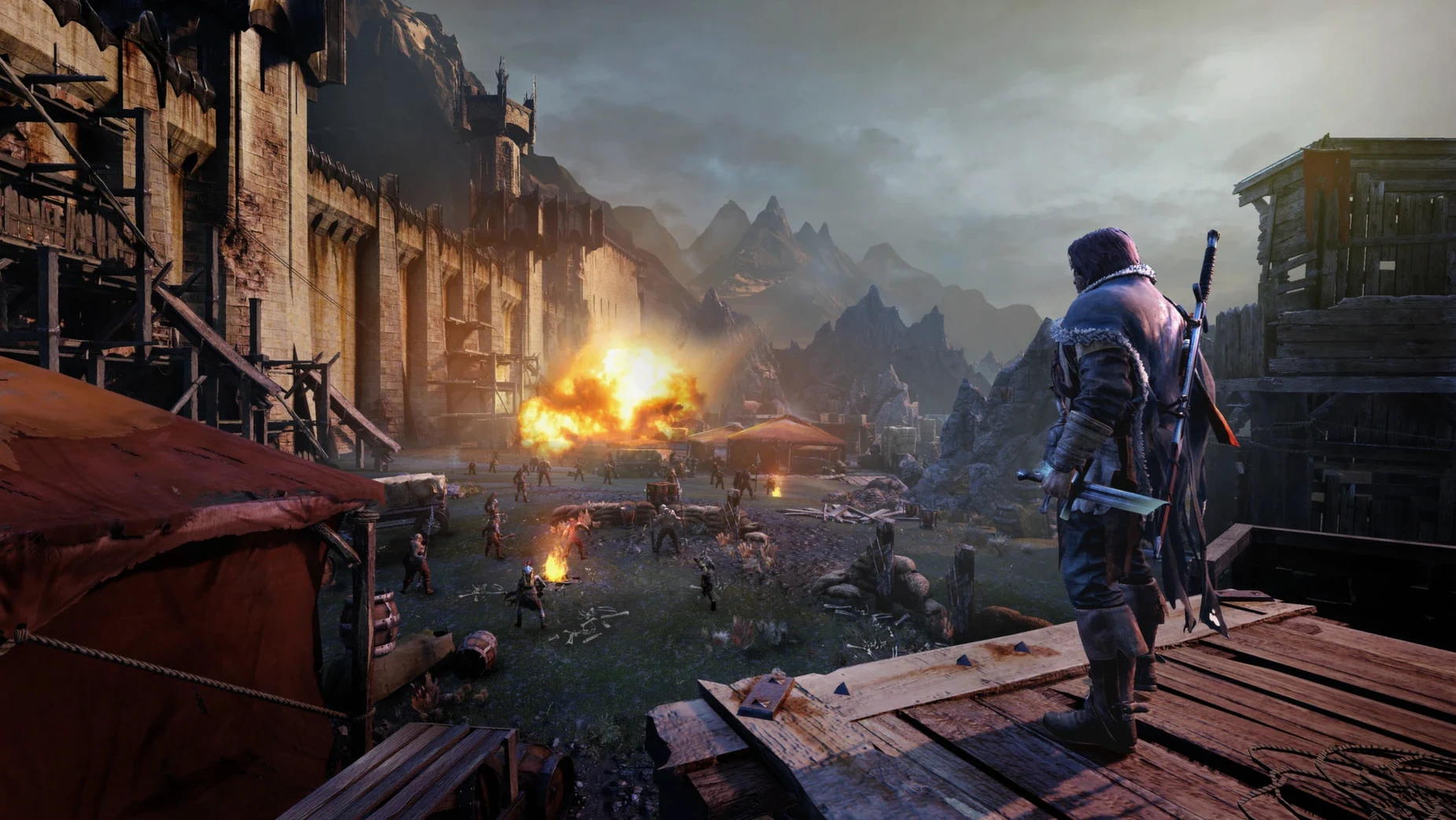
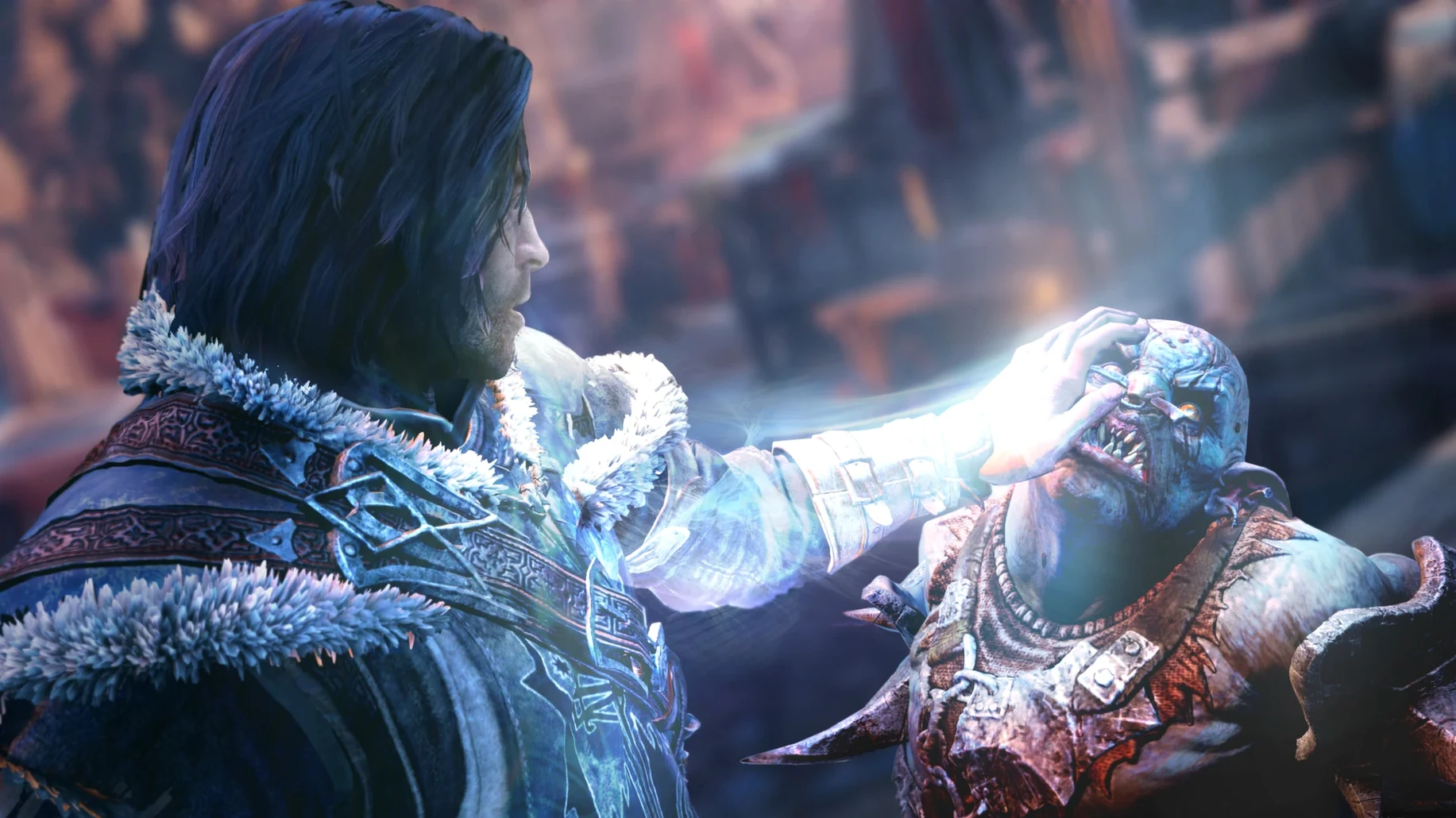
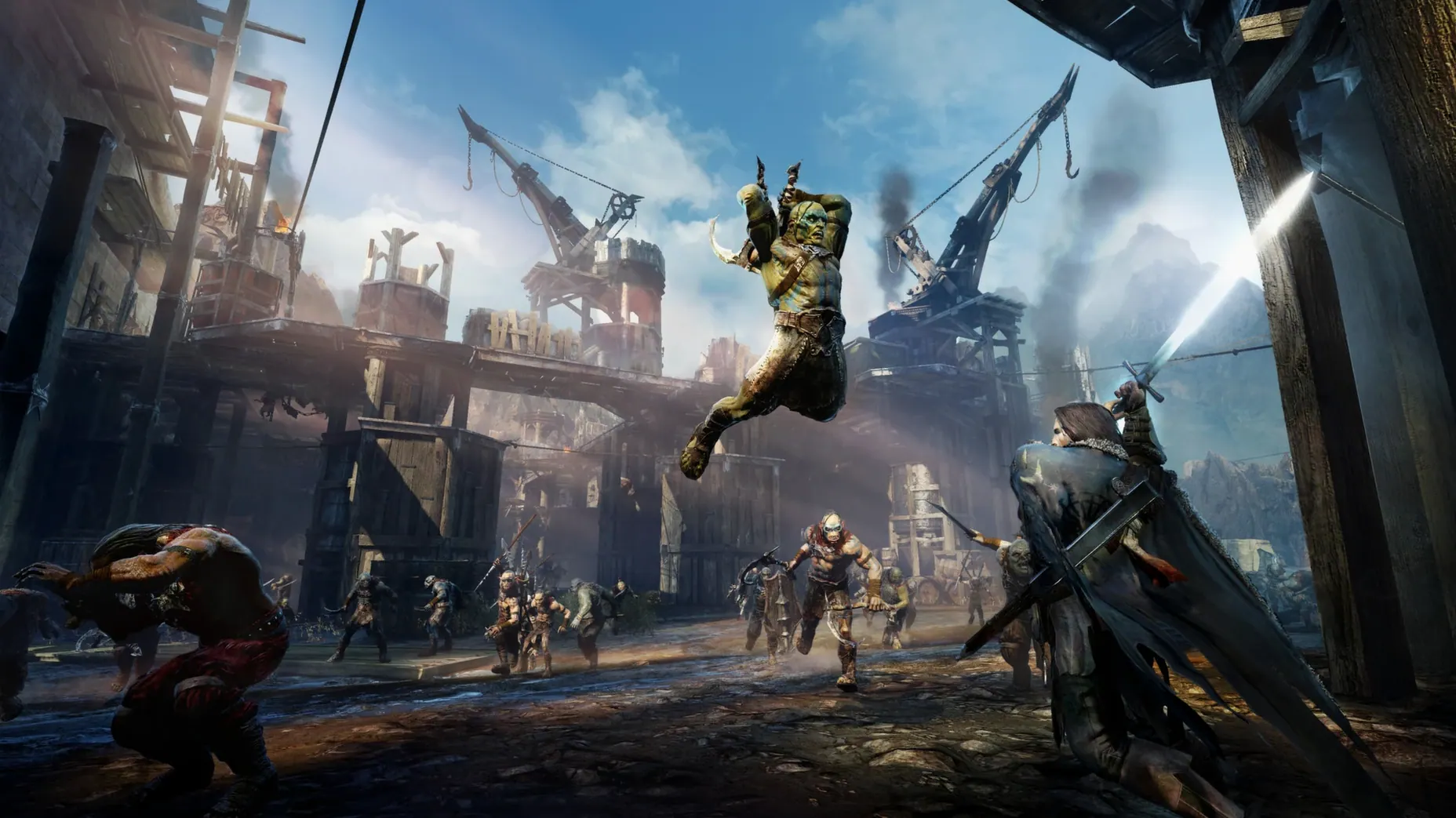
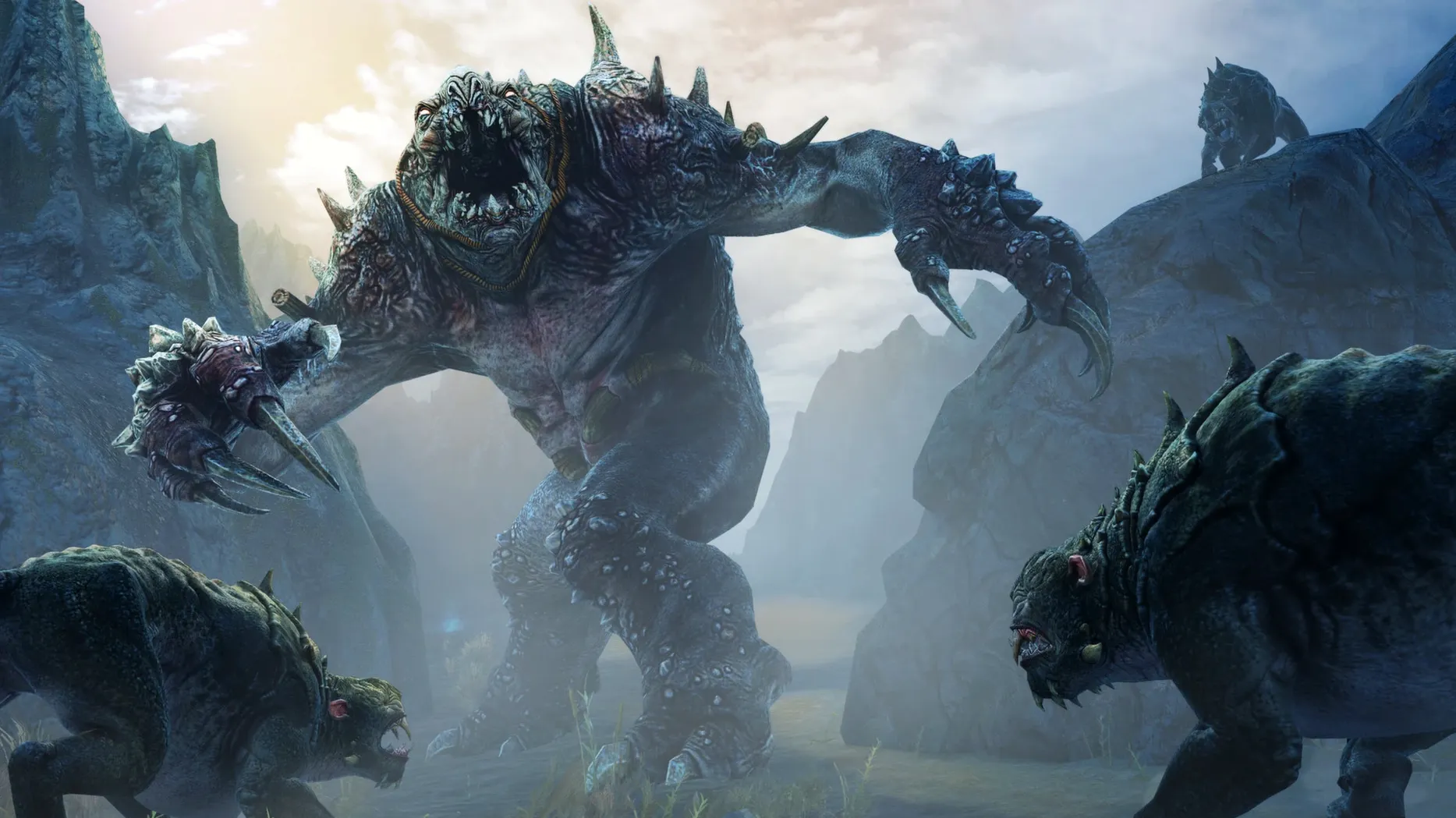
You're Talion, a ranger cut down by Sauron's servants, but death isn't the end. The Spirit of Vengeance pulls you back, and suddenly you're stalking the black lands of Mordor with a blade in one hand and a ghostly ally in the other. Minute to minute, it's a dance of stealth, combat, and choice.
Scout the land and fight or vanish
- Scout the land. Climb towers, survey strongholds, and mark your targets. The world reacts to your presence, so pick your moments.
- Fight or vanish. When you're spotted, it's swordplay against Uruks. When you're not, you can slip through shadows, take out patrols one by one, and stay unseen.
- Kill or spare. Every captain you meet has a name, a rank, and a history. Your actions shift those relationships. Spare a foe, and he might fear you. Kill him, and his ally might seek revenge.
- Rise through the ranks. The Nemesis System tracks every encounter. Enemies remember you, adapt, and climb the hierarchy. You're not just clearing a map; you're shaping a living army.
- Unlock and upgrade. Earn experience, learn new abilities, and grow stronger as you push deeper into the dark.
This Mac version, ported by Feral Interactive, runs on macOS 10.10.3 and up, and it's been tested on macOS Sequoia on an M1 MacBook Air. It needs 8 GB of RAM minimum, and a healthy 80 GB of disk space. Dialogue comes in English, German, Spanish, Italian, Portuguese, and French, with interface options for Russian and Polish too.
Nemesis System sets it apart from Assassin's Creed Origins
Compared to Assassin's Creed Origins on Mac, Shadow of Mordor feels tighter and more personal. Origins gives you a sprawling open world with quest markers everywhere; here, the Nemesis System means every captain you fight has a name and a grudge. Batman: Arkham City for Mac shares the same fluid combat style, but its world is static. Arkham's thugs don't remember you or change ranks based on who you killed last. Shadow of Mordor makes every encounter feel consequential.
Dying Light for Mac leans on parkour and survival, but its enemy hierarchy is simpler. You fight zombies and human gangs, but they don't form a living chain of command. Shadow of Mordor gives you a hierarchy to manipulate: kill the weak to frighten the strong, or let a captain live so his rival rises. That extra layer of strategy sets it apart.
A Night in Mordor
I dropped into the game after mounting the disk image and dragging the app over. The first thing I did was climb a watchtower to get a view of the stronghold below. Marked three captains, each with a different weakness: one feared fire, another was vulnerable to stealth attacks, and the third had a bodyguard who never left his side.
I started with the fire-fearing captain. Crept into his camp, lit a brazier, and waited. He panicked, ran straight into an ambush, and I finished him in two hits. His bodyguard, a low-level grunt, fled. I let him go. An hour later, I ran into that same grunt promoted to captain, carrying a torch and shouting about revenge. The Nemesis System had turned a nobody into a personal enemy.
That kind of emergent storytelling is why I keep coming back. You can plan your approach, but the game rewrites the story based on who lives and who dies.
If you're after an action-adventure where your decisions leave a mark, this is it.
- Version 1.0 fix.
- macOS 10.10.3 or later
- Intel Mac
- 8 GB RAM
- 80 GB disk space
Kit check at a glance
| Chip | Intel 64-bit |
| Download | 65 GB |



Chat from the booth
Sign in or grab a free account to leave a comment.
Nobody has said a word in the booth yet. If you played a set with this build, tell the next person how it went.