

- Build in the crate
- 84977 Native
- Made by the team at
- Mohawk Games
- Menu languages offered
- Russian, English, German, Spanish, Chinese (Traditional), Chinese (Simplified), French, Japanese
- How you pay for it
- DRM-free
- CPU it runs on
- Apple Silicon, Intel 64-bit
- Played on
- macOS Tahoe, Mac mini 2024 M4
- Dropped on
- 19.05.2022
- Spoken voice in
- Music only
Screenshots
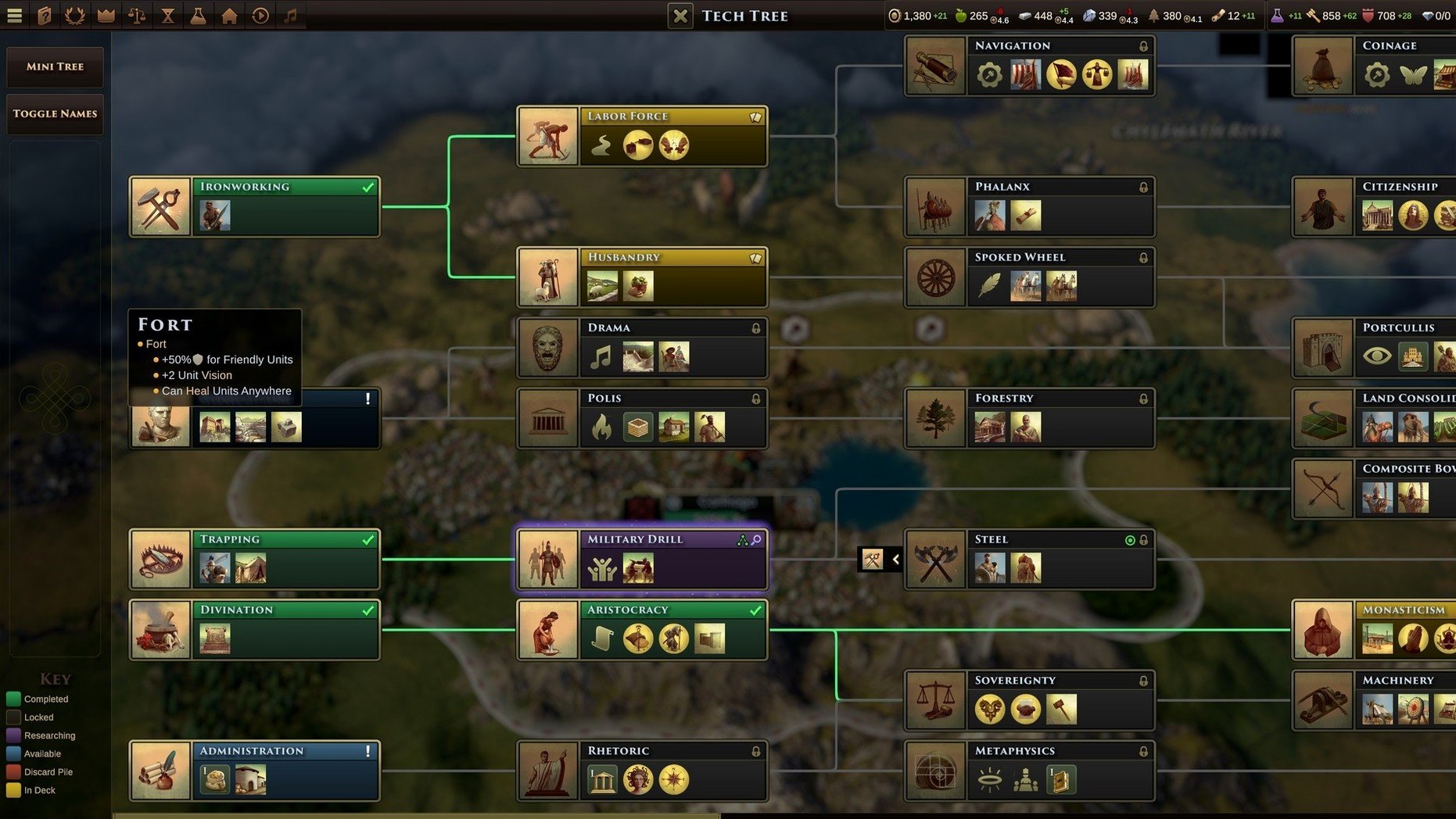
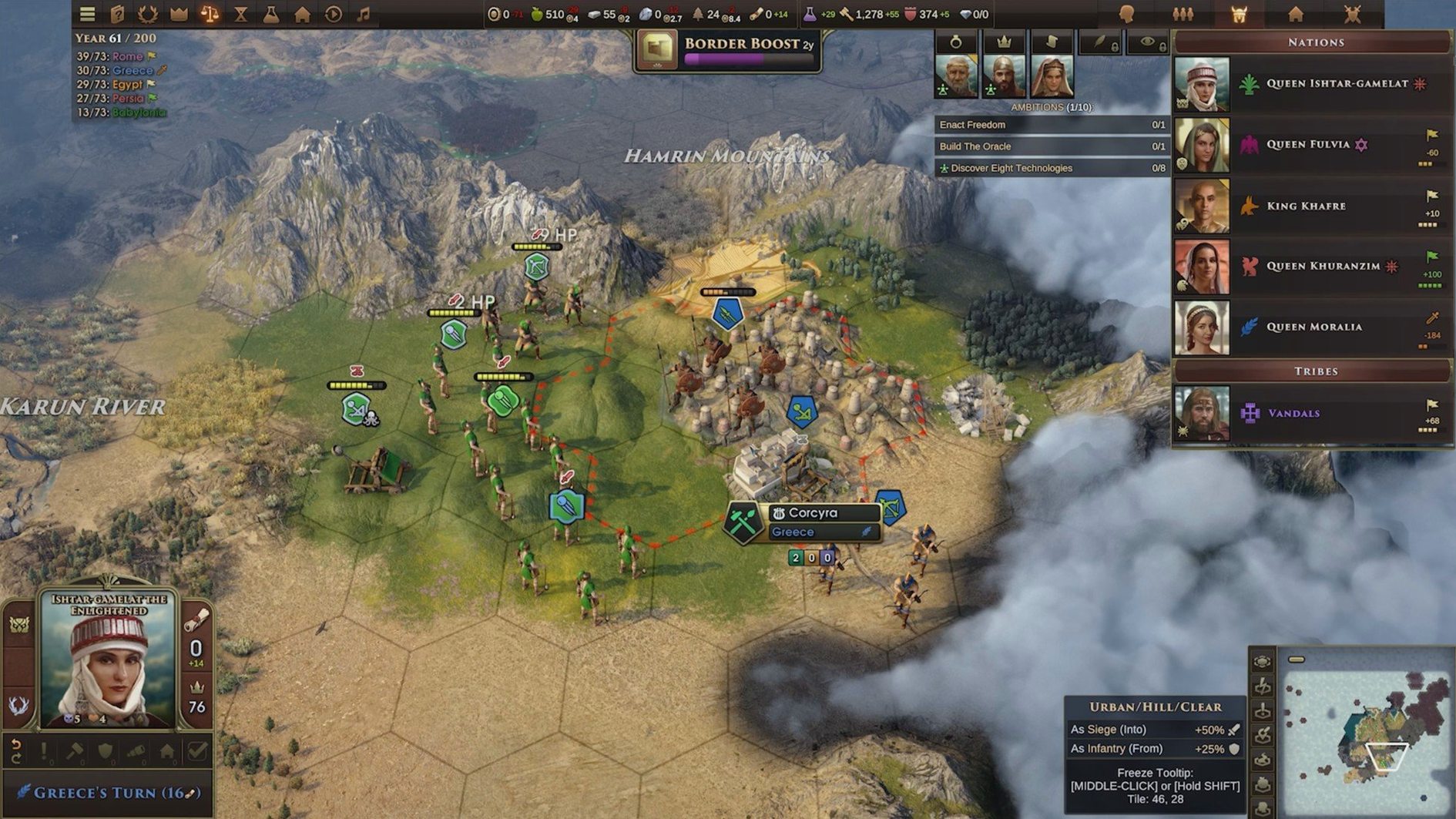
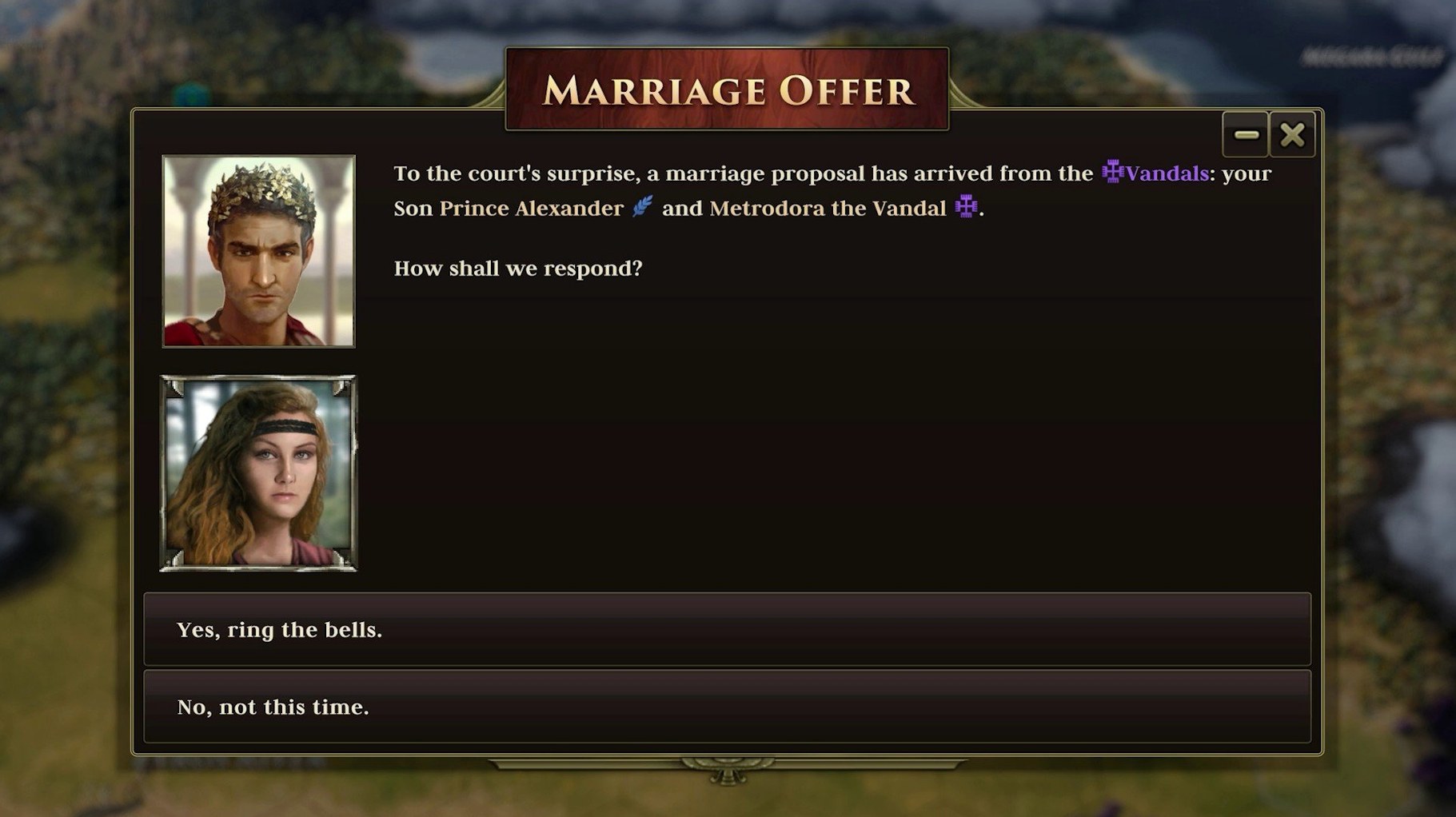
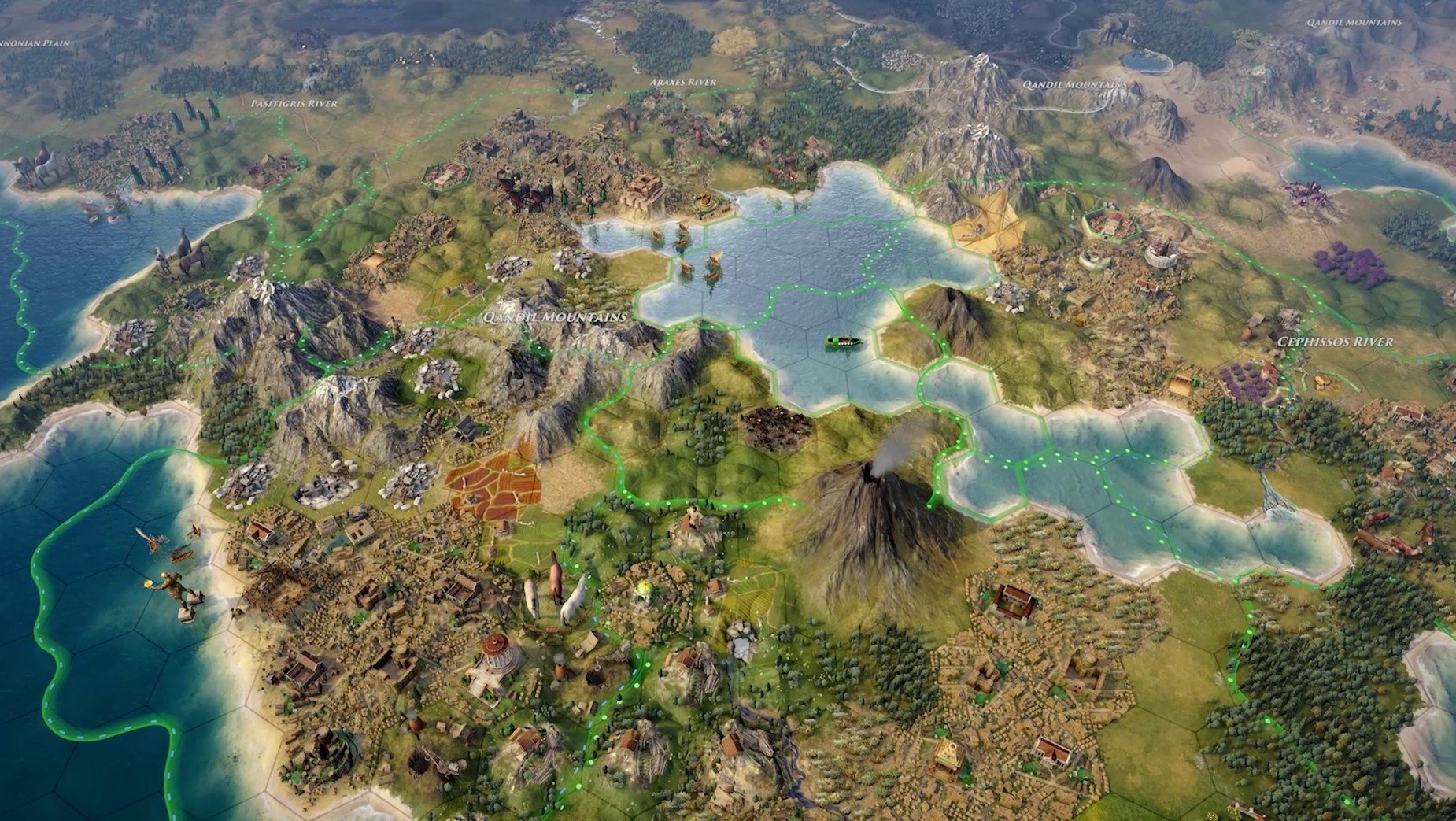
Eight interface languages, two architectures supported, and one core resource that runs everything. Old World, the historical 4X strategy game from Mohawk Games, hands you an Orders system that limits how many units you can move and act with each turn. Designed by Soren Johnson, lead designer of Civilization IV, it plays out in classic antiquity where characters age, die, and leave room for the next generation.
Civ IV depth meets character-driven storytelling
- Players who like Civ IV's depth but want more character-driven storytelling.
- Anyone who enjoys managing dynasties, marriages, heirs, and noble family relations.
- Fans of turn-based strategy who appreciate hard limits rather than endless action points.
- Multiplayer fans – hotseat, asynchronous, and cloud play are all included.
When family politics and hard limits feel too slow
If you prefer fast, streamlined 4X games without family politics, this one will slow you down. The Orders system forces tough choices every turn, and the generational mechanics mean your carefully built leader eventually passes on. Players who want pure empire building without the soap opera may find it frustrating.
Treating Orders like action points runs you dry
New players often treat Orders like action points in other 4X games and try to move every single unit each turn. That is a fast way to run out before you have attacked or built anything useful. Orders are a shared resource, not a per-unit allowance, so stockpiling them for a big push later in the turn matters more than you think.
Another easy slip: ignoring the noble families. Each of the seven kingdoms has four noble houses, and if you neglect marriages or heirs, your ruler dies and you lose control of the court. Beginners sometimes focus only on military expansion and forget that a leader without an heir can end the game abruptly. Keep an eye on the family tree.
The event system catches people out too. With more than 3,000 unique events inspired by history and mythology, you get decisions that seem minor but can snowball into unrest or war. Skimming them is tempting, but reading the consequences can save you from a cascade of bad outcomes a few turns later.
Random maps and weekly challenges from the start
- Randomly generated maps and hand-made maps are both available from the start – you are not stuck with the same geography every time.
- Historical scenarios and weekly challenges give you focused objectives if a full campaign feels too open-ended.
- Hotseat and asynchronous multiplayer let you play the same game across days without needing everyone online at once.
- Cloud play syncs your save between computers if you switch between machines.
- Mod support is built in, so you can tweak rules, add events, or change unit stats without hacking files.
How Old World stands apart from other Mac 4X titles
Old World vs Civilization VI
Civilization VI gives you broad tech trees, districts, and a more forgiving resource system. Old World replaces that with the Orders system and character mortality. You cannot hoard units or ignore diplomacy for long. Civ VI leans into city planning and global victory conditions; Old World forces you to manage people who age and die, which changes the pace completely.
Old World vs Humankind
Humankind lets you mix cultures across eras, so your empire can pivot from ancient Egypt to the Ming dynasty mid-game. Old World keeps you in one kingdom with a fixed set of noble families and a timeline that ends when your dynasty ends. Where Humankind rewards flexibility and cultural experimentation, Old World rewards long-term planning with the same family bloodline.
Old World vs Endless Legend
Endless Legend adds fantasy races, winter cycles, and more tactical combat on the battlefield. Old World stays historical (with mythological events) and emphasises pre-battle orders rather than hex-grid positioning. If you like unit placement and terrain bonuses, Endless Legend has more depth there. If you prefer strategy that happens in the court and the council chamber, Old World is the better fit.
- Polybolos now have +50% attack.
- Forts cannot be placed adjacent to other Forts.
- AI builds fewer Militia, Conscripts, and obsolete units.
- Some Mac crash debugging was added.
- macOS: not specified
- Architecture: both Intel and Apple Silicon
Kit check at a glance
| Chip | Apple Silicon, Intel 64-bit |
| Download | 4 GB |





Chat from the booth
Sign in or grab a free account to leave a comment.
Nobody has said a word in the booth yet. If you played a set with this build, tell the next person how it went.