
- Build in the crate
- 18.12.2024
- Made by the team at
- Hyper Games
- Menu languages offered
- Russian, English, German, Danish, Spanish, Chinese (Simplified), Norwegian, Polish, Portuguese, Turkish, Finnish, French, Swedish, Japanese
- How you pay for it
- Not required
- CPU it runs on
- Apple Silicon, Intel 64-bit
- Played on
- macOS Sonoma, MacBook Air (M1. 2020)
- Dropped on
- 7.03.2024
- Spoken voice in
- Music only
Screenshots
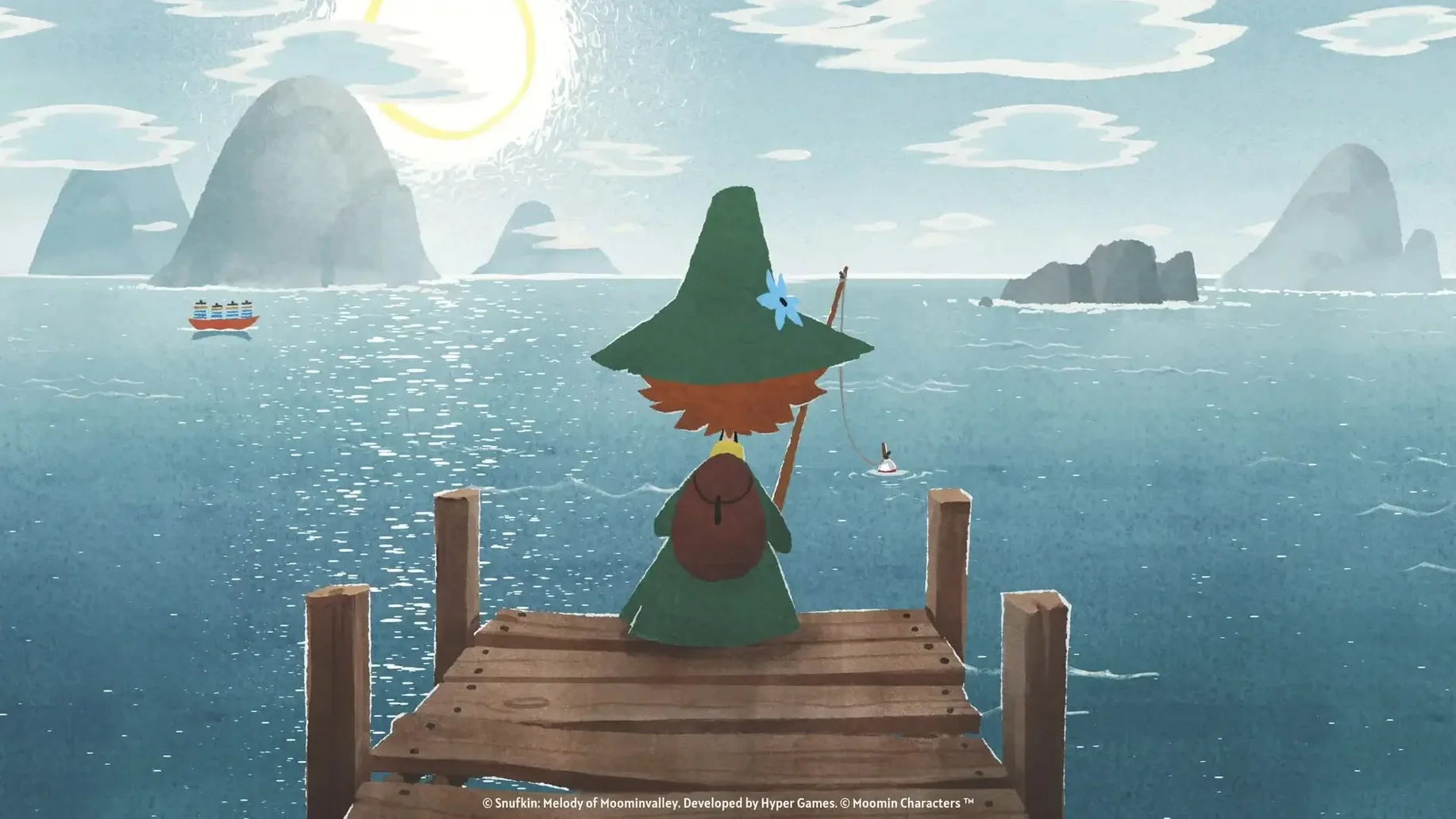
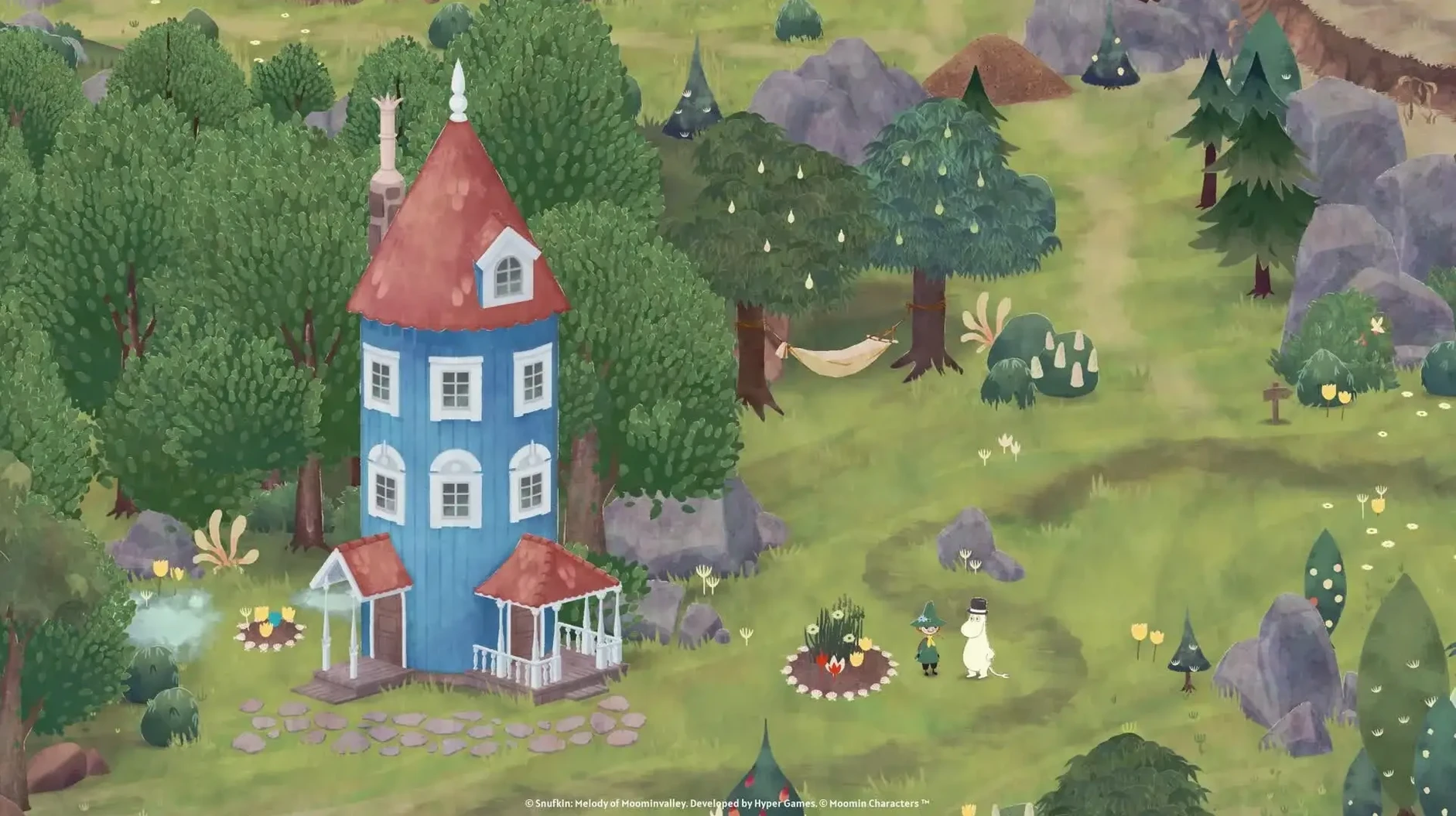
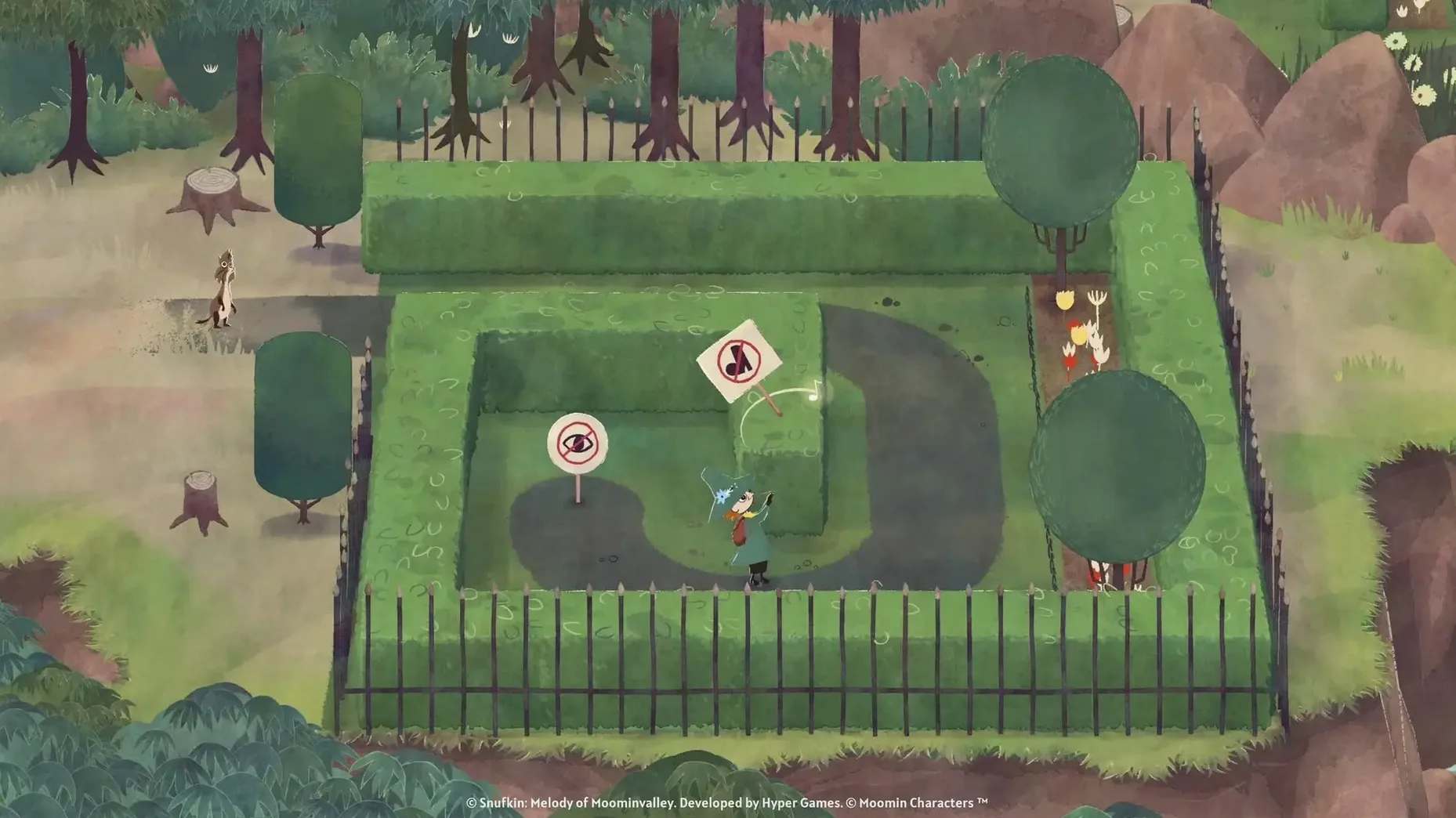
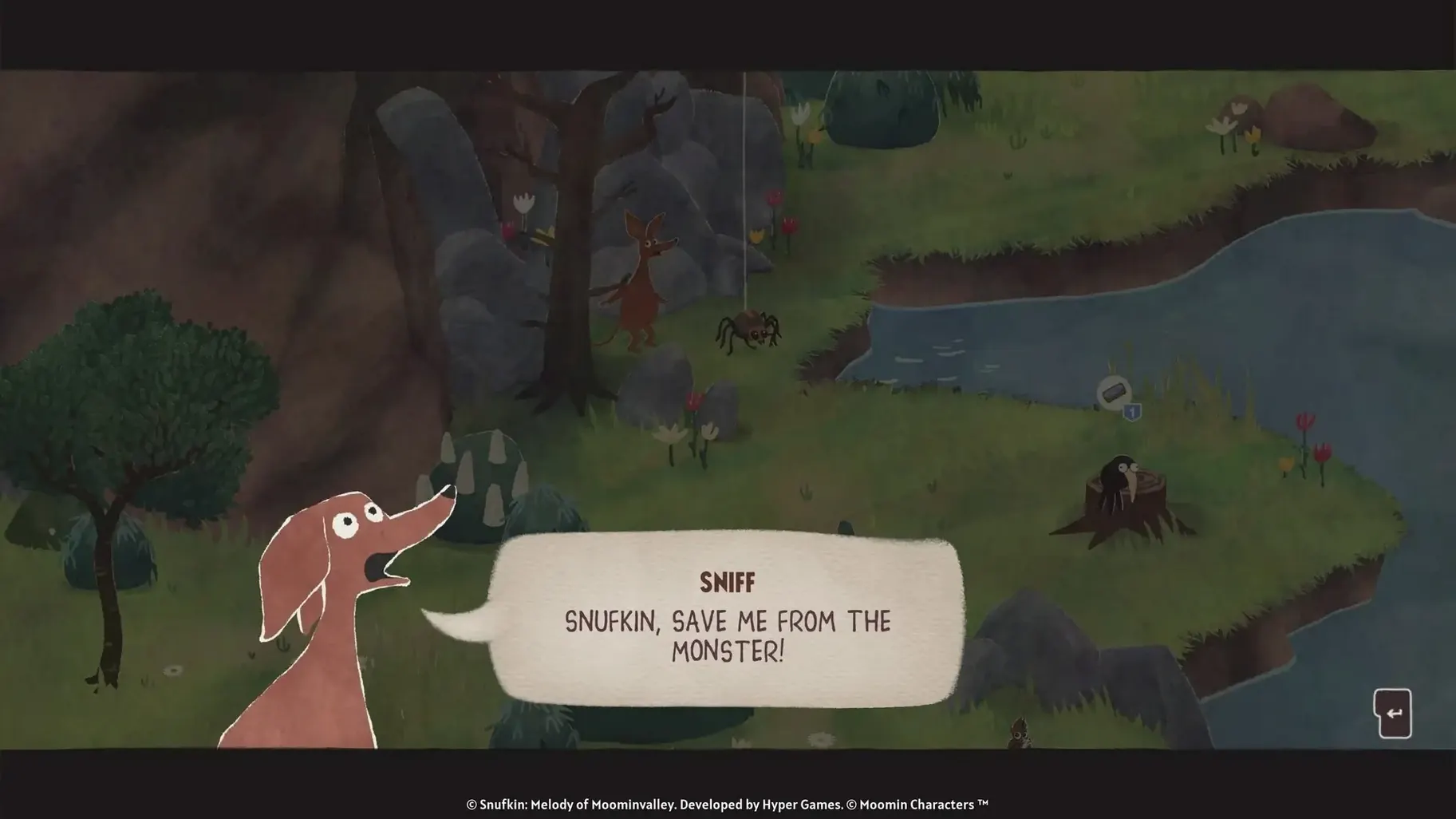
Good news for Mac users: Snufkin - Melody of Moominvalley runs on both Intel and Apple Silicon machines, as long as you're on macOS 11.0 or later. The current build (18.12.2024) was tested on a MacBook Air M1 under Sonoma, so it should feel right at home on modern hardware.
An open world to save from the Park Keeper
- An open world set in Moominvalley, ready to wander.
- A musical adventure where melodies carry the story and voice.
- A clear goal: save Moominvalley from the Park Keeper's plans.
- Fourteen interface languages, from English and Finnish to Japanese and Turkish.
Why the music matters
Instead of plain dialogue, the game uses musical accompaniment for voices and audio. That means the atmosphere does a lot of the storytelling. You're not just clicking through text; you're listening to the valley. It's a gentle, expressive way to play, and it fits Snufkin's character perfectly.
Rushing past the melody that carries the story
A few things catch new players out, especially if they're used to more linear adventure games.
- Rushing past the music. The game's voice is carried by melody, not spoken words. Some players skip through it, waiting for text, and miss the emotional cues that the soundtrack provides. Take the time to listen — it changes with the scene.
- Ignoring the open world. Moominvalley is designed to be wandered. Beginners sometimes head straight for the next objective marker and ignore the side paths, characters and hidden nooks. Many puzzles and interactions are tucked away off the main route.
- Treating it like a typical puzzle game. The puzzles here aren't about logic grids or inventory combos. They're tied to exploration and character interactions. If you're stuck, it's usually because you haven't talked to the right creature or visited the right corner of the valley yet.
- Skipping character conversations. With over 50 unique characters, each has something to say. Skipping dialogue means missing hints, story beats and sometimes the key to moving forward.
A quiet afternoon in Moominvalley
Picture a Sunday. Rain against the window. You're curled up on the sofa with the MacBook Air, and you load Snufkin - Melody of Moominvalley. No rush, no combat, no timers.
You spend an hour wandering the valley, following a stream you noticed earlier. A character near the bridge asks for help finding something they lost. No map marker appears. You just remember seeing a glint near the old tree. You walk over, find the item, bring it back. The character hums a short tune of thanks. The melody blends with the background score, and for a moment the whole valley feels connected.
That's the kind of session this game was made for. It's not about completing quests — it's about being present in the world. For anyone who needs a break from fast-paced games, this is a good fit.
Musical storytelling versus Night in the Woods
There aren't many musical adventure games on Mac, but a few share the same quiet, story-led feel.
Night in the Woods also focuses on exploration and character dialogue in a small town. It has a strong narrative and a similar pace. The difference is in the tone: Night in the Woods leans into anxiety and uncertainty, while Snufkin - Melody of Moominvalley stays gentle and whimsical throughout. The music in Night in the Woods is atmospheric, but it doesn't carry the voice the way it does here.
Lost Words: Beyond the Page mixes platforming with a diary-based story. It's more about text and written puzzles. The musical element is lighter, used as background rather than as a storytelling device. Snufkin's game puts melody front and centre, making it a more sensory experience.
Season: A Letter to the Future shares the open-world exploration and the focus on nature. You document the world rather than solve puzzles. The comparison works if you value atmosphere over mechanics. Season is about observation; Snufkin is about interaction — helping characters, restoring the valley, hearing their responses in musical form.
- Current build label: 18.12.2024.
- macOS 11.0 or later
- Intel or Apple Silicon
Kit check at a glance
| Chip | Apple Silicon, Intel 64-bit |
| Download | 3.6 GB |






Chat from the booth
Sign in or grab a free account to leave a comment.
Nobody has said a word in the booth yet. If you played a set with this build, tell the next person how it went.