

- Build in the crate
- 1.3.17
- Made by the team at
- Igara Studio S.A.
- Menu languages offered
- Russian, English, German, Arabic, Afrikaans, Italian, Chinese (Simplified), Korean, Dutch, Portuguese, Turkish, French, Japanese
- How you pay for it
- k'ed by BTCR
- macOS it plays on
- macOS 10.15.7 or later
- CPU it runs on
- Apple Silicon, Intel 64-bit
Screenshots
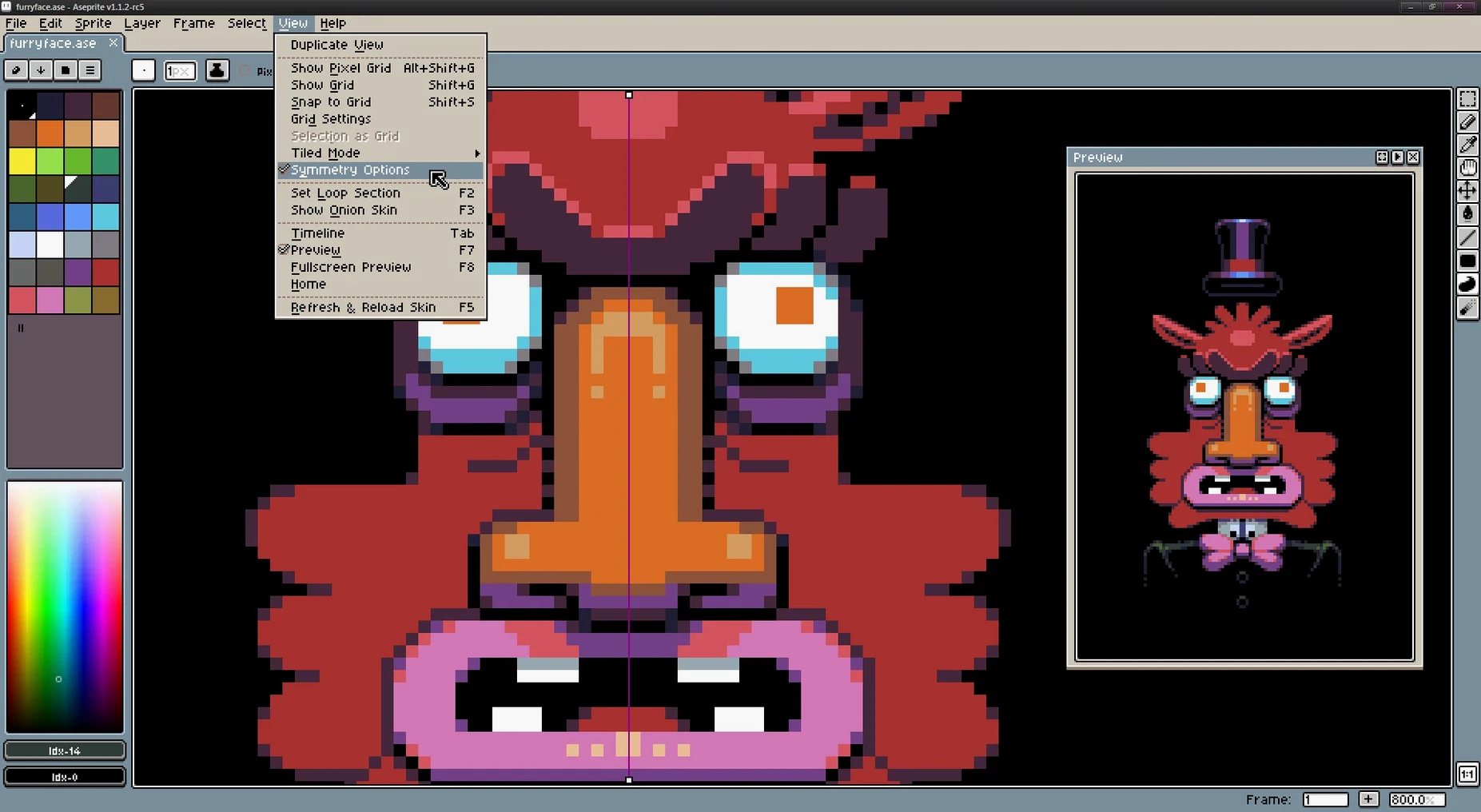
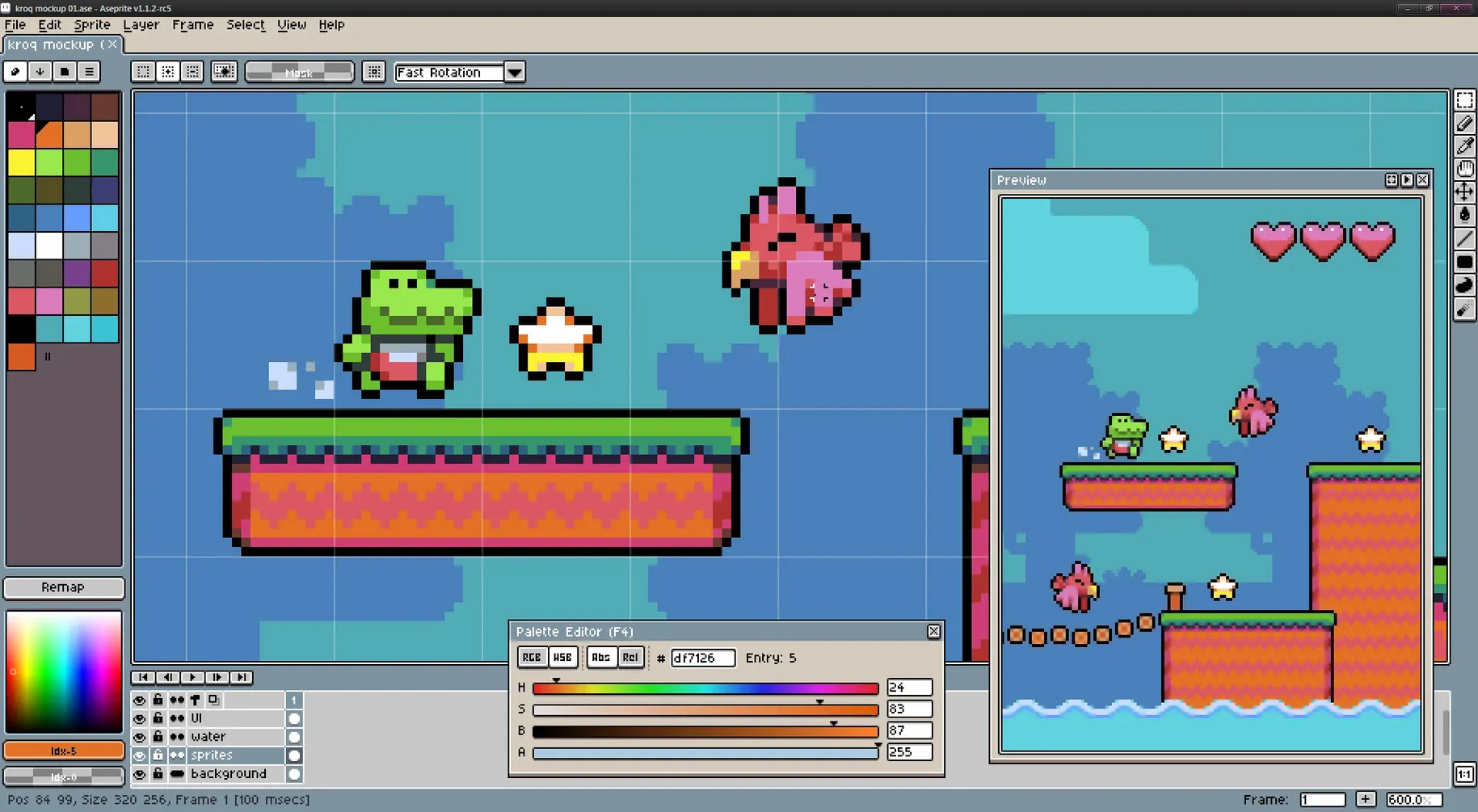
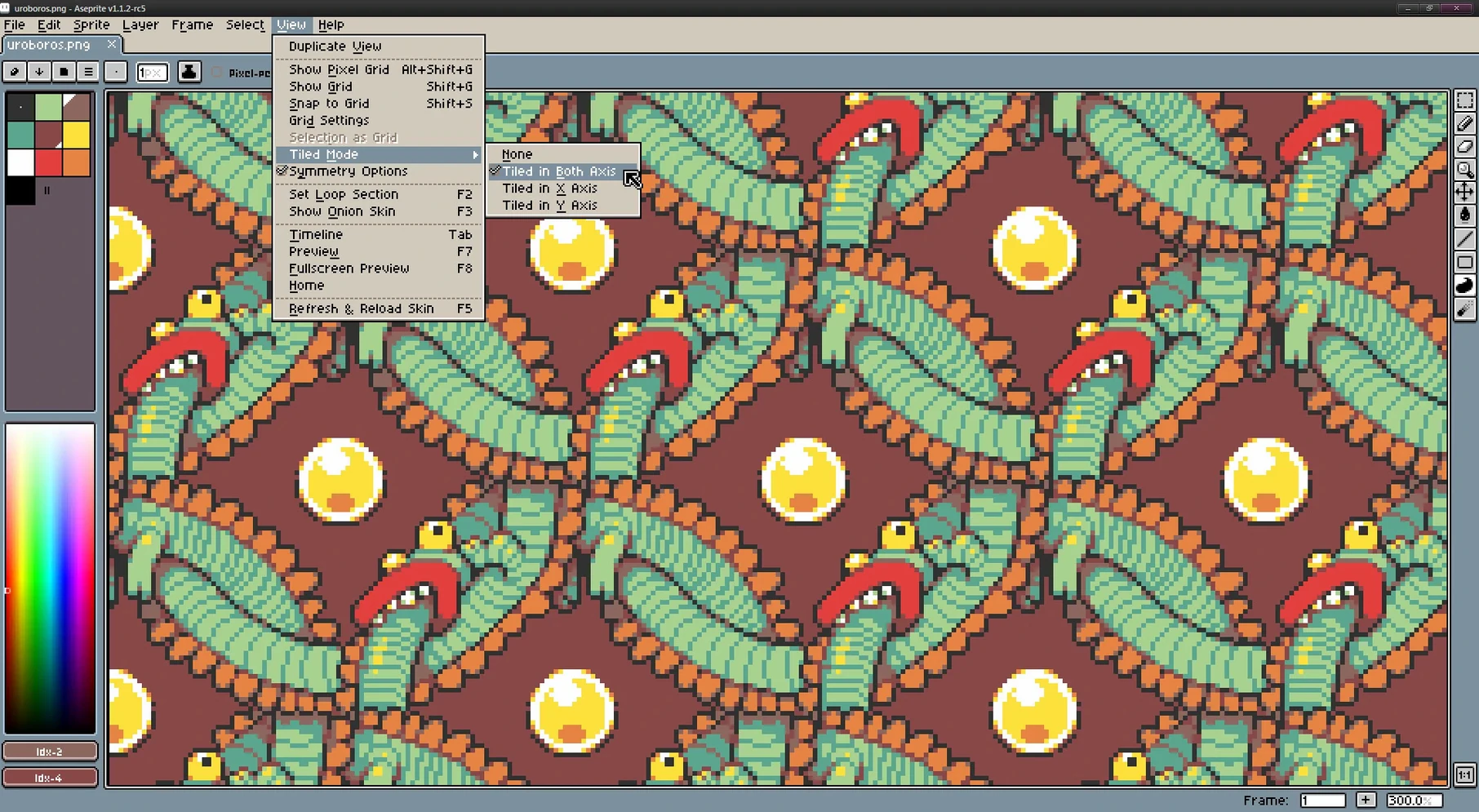
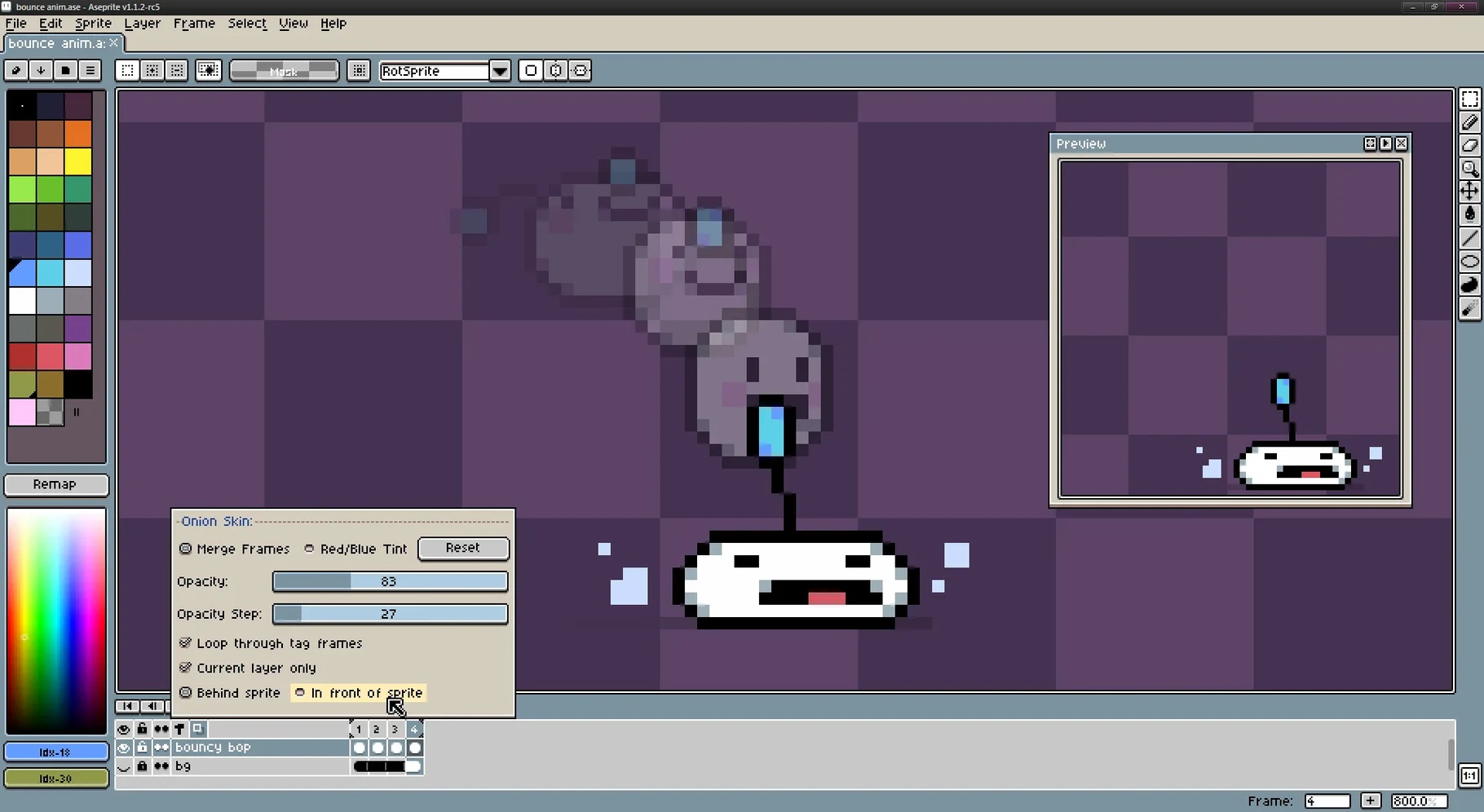
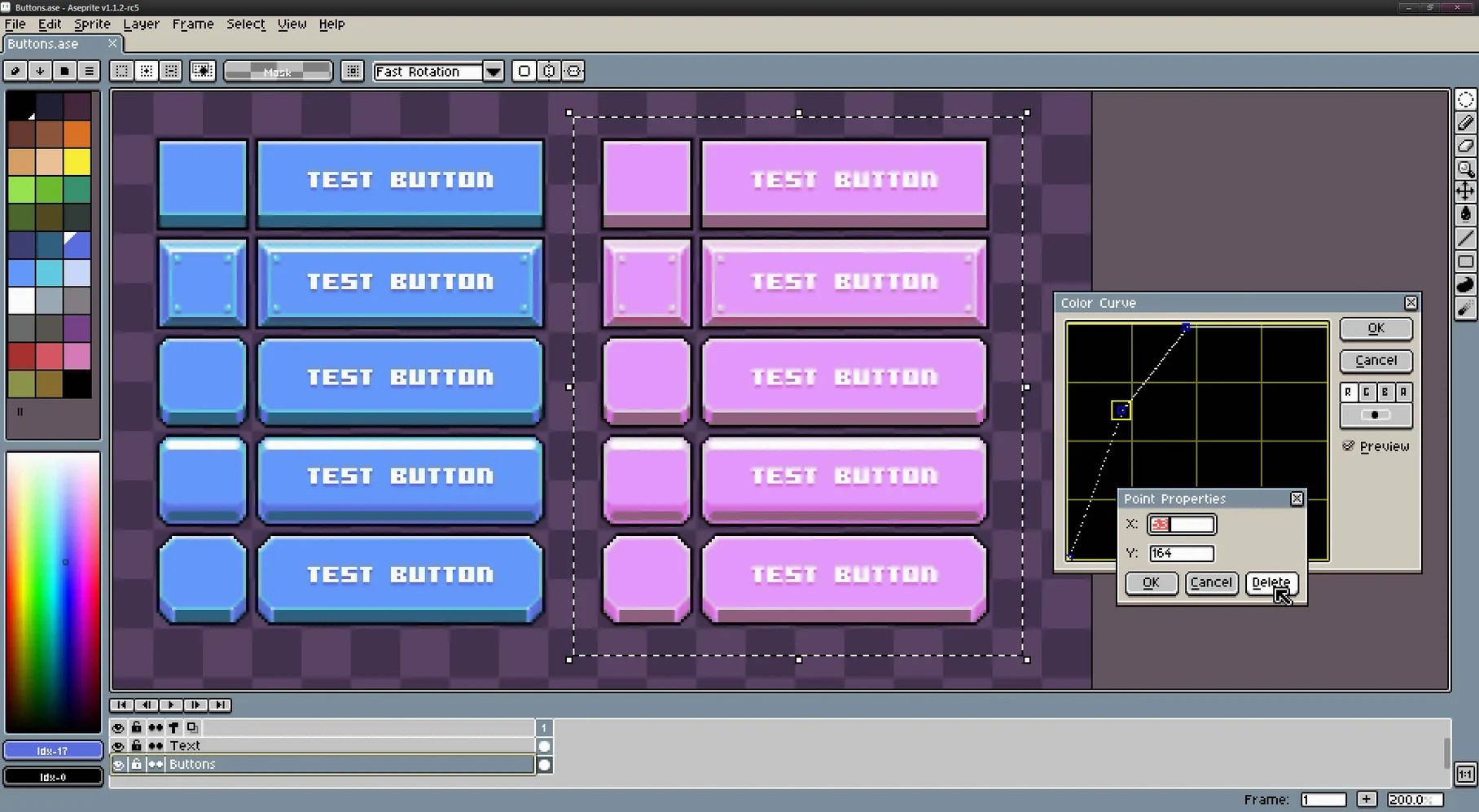
Pixel art has a way of making you fight the tool instead of the artwork. Aseprite gets out of the way. It is a dedicated editor for retro-style graphics and 2D animation, built around the way pixel artists actually work.
Getting it running on a Mac takes a minute. The disk image mounts, you drag the app into Applications, and it opens from Launchpad. The bundle is a universal binary, so it runs natively on both Apple Silicon and Intel Macs. macOS 10.15.7 is the minimum, which covers most machines still in daily use.
A workflow that fits existing tools
For a DJ who also makes visuals, Aseprite sits nicely next to the rest of the setup. It exports and imports sprite sheets, so you can build animation frames in Aseprite and bring them into other tools. The command-line interface helps if you prefer scripting repetitive exports rather than clicking through dialogs each time.
Pixel art tools that respect the craft
The editor includes pixel-perfect traces, filled outline and polygon tools, and RotSprite rotation for cleaner angles. It handles RGBA, indexed, and grayscale images, so you are not locked into one workflow. The timeline, live preview, and onion skinning make frame-by-frame animation feel direct.
Layers vs frames: a common mix-up
New users often treat layers and frames as the same thing. Aseprite keeps them separate for good reason. A layer holds one piece of artwork, and a frame holds a moment in time. Mixing them up leads to editing the wrong frame or losing work. Spend five minutes with a simple test sprite to see how they relate before starting a real project.
Another early stumble is forgetting about indexed colour mode. If you start in RGBA and later switch to indexed, the conversion can shift colours unexpectedly. Pick your colour mode at the start and stick with it unless you have a clear reason to change. The same goes for grayscale — once you convert down, you cannot recover the original palette.
Beginners also miss that tile mode exists. Drawing a repeating pattern by hand across a whole sprite is tedious. Tile mode lets you paint a small section and see it repeat, which saves time on textures and backgrounds. It is one of those features that seems minor until you need it.
Zoom in one window, see full sprite in another
Aseprite supports multiple editors or views for one sprite. You can zoom in on a single pixel in one window while keeping the full sprite visible in another. It sounds simple, but it changes how you work on fine details without losing the bigger picture.
The tag frames feature is another one people discover late. Tags let you label groups of frames — walk cycles, idle poses, effects — and jump between them without scrolling the whole timeline. It keeps longer animations organised.
Undo and redo work per operation, which is standard, but the fact that Aseprite remembers your steps even after export is a quiet relief. You can try a different export setting, preview it, and undo back to your last edit without closing and reopening files.
Export sprite sheets for Unity, Godot, or via shell script
On macOS, Aseprite works well alongside image viewers and game engines. Export sprite sheets directly and drop them into Unity, Godot, or any tool that reads PNG sequences or GIFs. The command-line interface means you can write a shell script to batch-export frames, which is useful when you are iterating on a character set and want every revision saved as a clean sequence.
The universal binary matters more than you might think. If you move between an Intel Mac desktop and an Apple Silicon laptop, the same app runs at full speed on both. No Rosetta translation, no extra config. It just works after dragging it into Applications.
For anyone who makes both music and visuals, Aseprite fits into a broader creative flow. You can design a simple looping animation for a live set background, export it as a GIF, and trigger it alongside your tracks. The pixel art style matches well with retro-inspired visuals that many DJs and VJs use.
Version 1.3.17 fixes square brush rotation direction and layer renaming focus, small things that add up during long sessions.
- Adds options to extend the keep-closed-sprite memory time.
- Fixes square brush rotation direction.
- Fixes auto-focusing the layer name when renaming with F2.
- Fixes a regression affecting selected text in text input fields.
- Fixes a crash during Export As for animation when the target file is read only.
- macOS 10.15.7 or later
- Apple Silicon or 64-bit Intel
Kit check at a glance
| System | macOS 10.15.7 or later |
| Chip | Apple Silicon, Intel 64-bit |
| Download | 23 MB |
| Older pressings | 1 in the crate |







Chat from the booth
Sign in or grab a free account to leave a comment.
Nobody has said a word in the booth yet. If you played a set with this build, tell the next person how it went.