
- Build in the crate
- 1.10.2
- Made by the team at
- Broken Rules
- Menu languages offered
- Russian, English, German, Arabic, Spanish, Italian, Chinese (Traditional), Chinese (Simplified), Korean, Dutch, Portuguese, Turkish, French, Japanese
- How you pay for it
- Not required
- CPU it runs on
- Apple Silicon, Intel 64-bit
- Played on
- macOS Tahoe, Mac mini 2024 M4
- Dropped on
- 8.01.2022
- Spoken voice in
- Music only
Screenshots
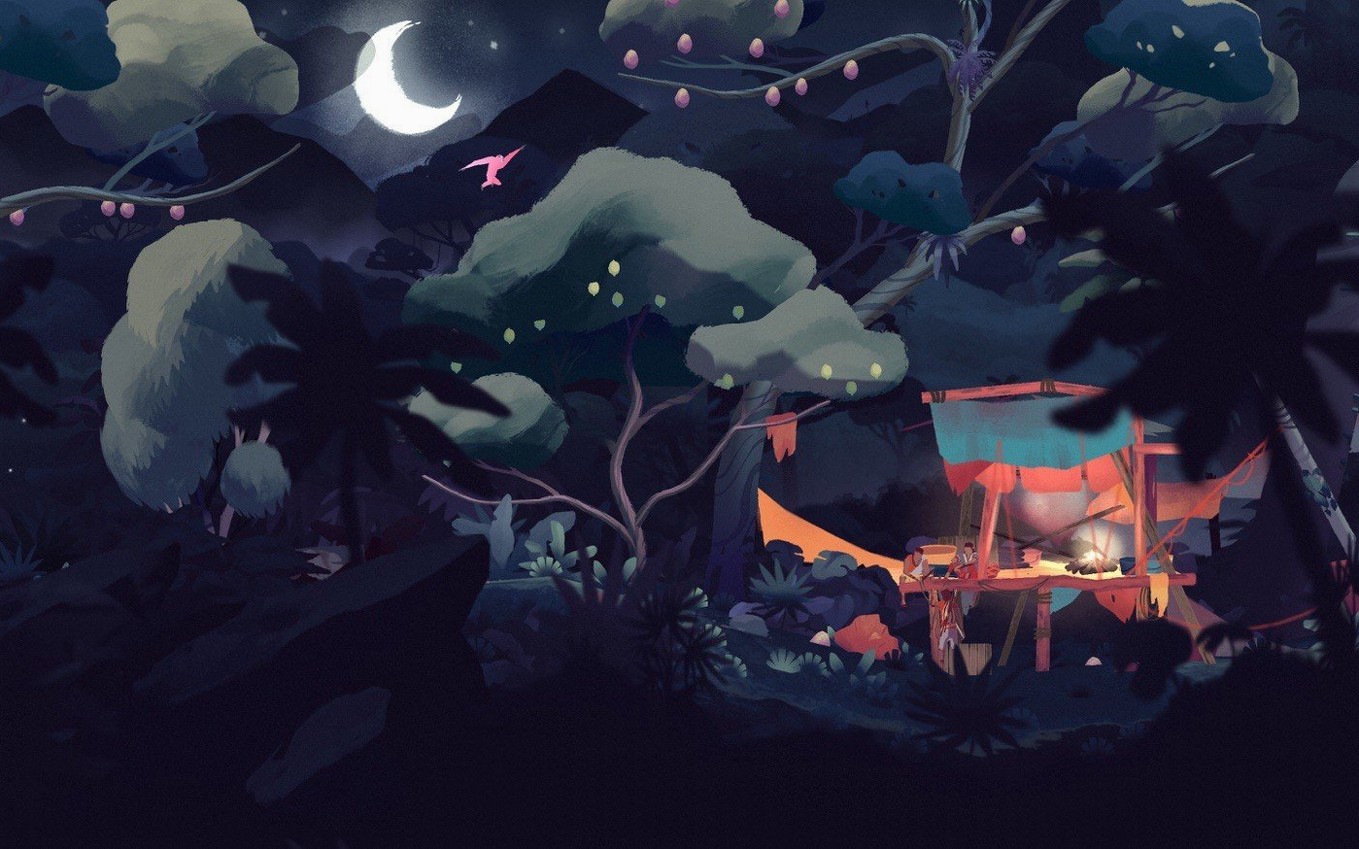
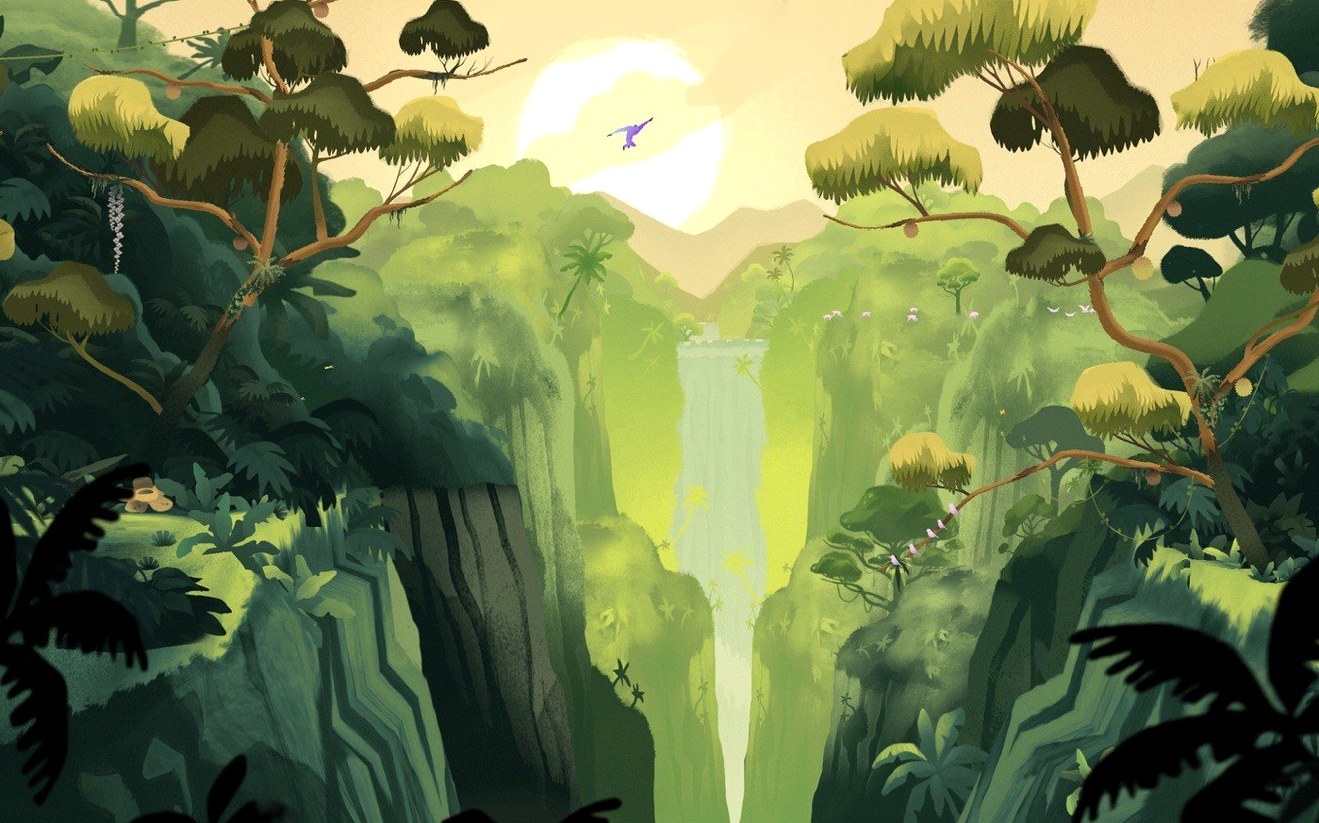
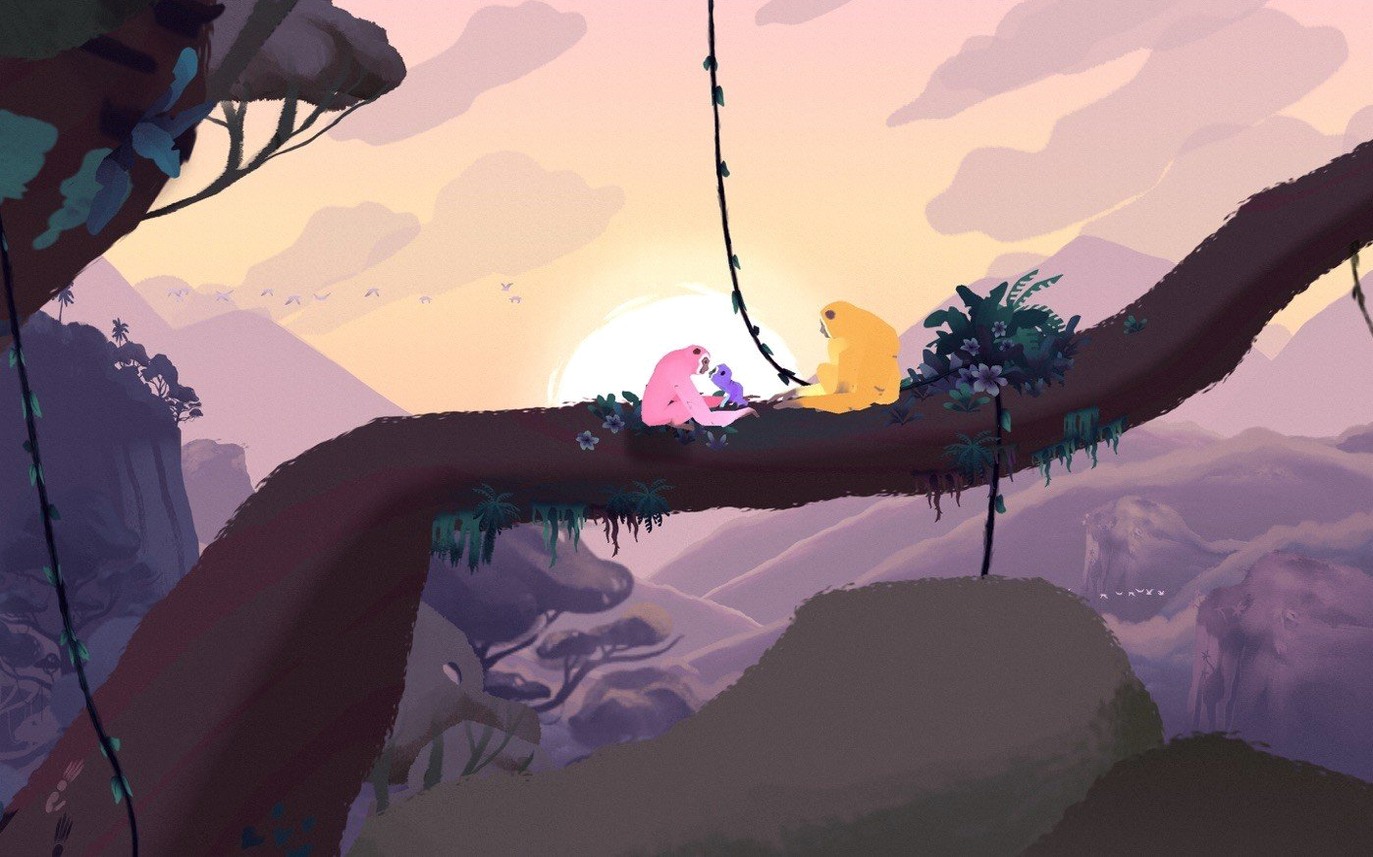
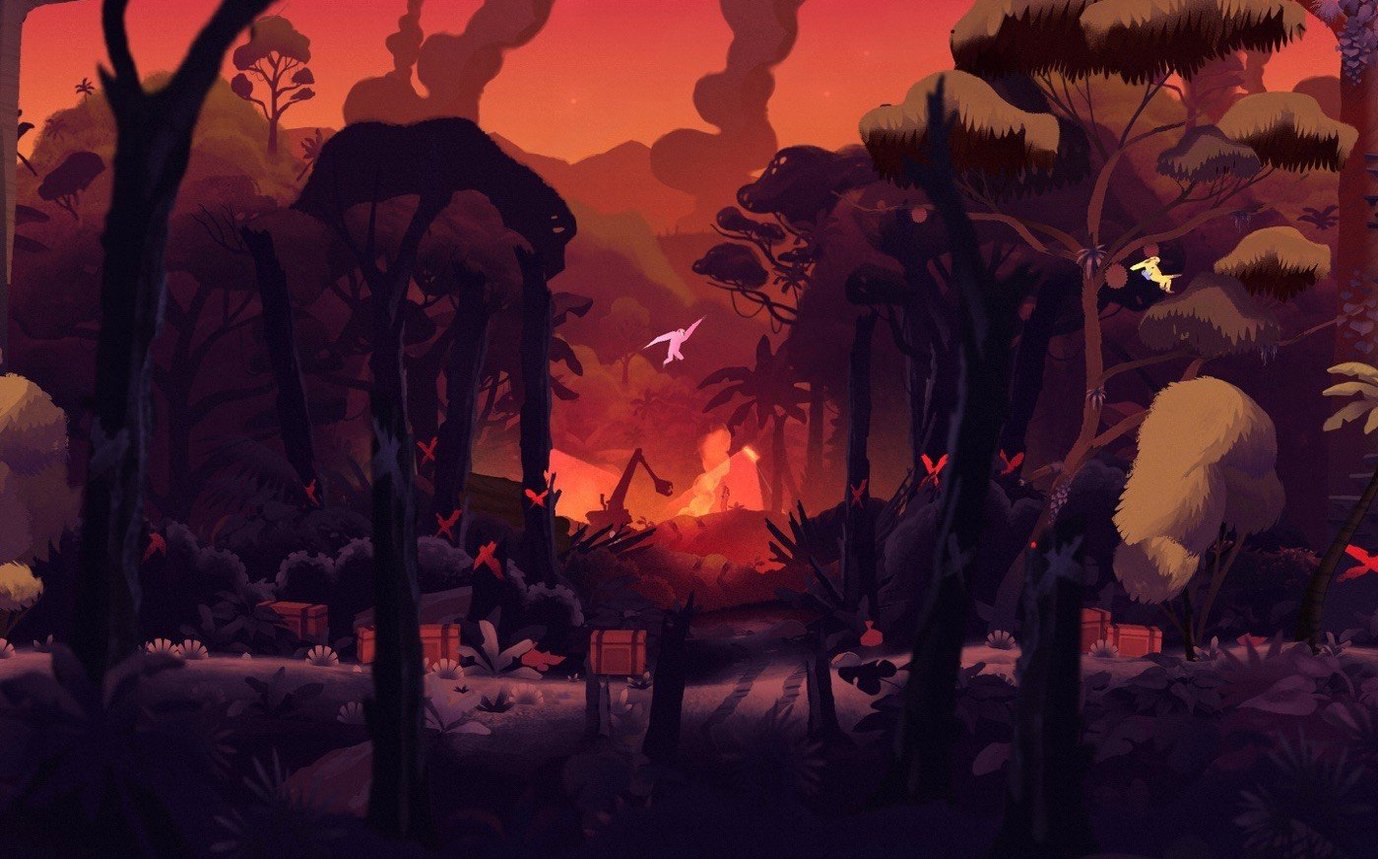
You know how a DJ set can feel like a journey through different moods, each track building on the last? Broken Rules’ Gibbon: Beyond the Trees does something similar, but with a gibbon family trying to survive a world they don’t understand. Deforestation, poaching and climate change aren’t abstract here — they’re the obstacles you swing through.
Story mode and liberation mode
- Story mode — a focused, one-hour campaign that follows a family of gibbons lost in a dangerous world. You learn acrobatic moves as you go.
- Liberation mode — procedurally generated jungles for repeat runs. No two playthroughs are the same.
Why it fits on a music student’s Mac
It’s a short game that doesn’t demand a huge time commitment, runs on any Mac with macOS 12.0 or later (Intel or Apple Silicon), and its art style and rhythm-based swinging feel close to keeping a beat. Worth a break between mixing sessions.
A session with Gibbon: Beyond the Trees
Friday afternoon, finished a Logic session, need a break. I open the game, pick Story mode. The opening screen is that hand-drawn jungle, quiet. First few minutes are just learning the swing — the gibbon reaches, I hold, release, grab the next branch. Miss a few, fall, respawn. The movement clicks after a few tries.
Twenty minutes in, I find a section where the jungle is on fire. The gibbon family has to dodge falling trees and smoke. I launch one gibbon off another to clear a gap — that move took me a few attempts to time right. The hand-drawn art makes the burning forest feel personal, not just a backdrop.
By the forty-minute mark, I’m in a poacher camp. The brachiation switches to stealth — swinging quietly, waiting for patrols to pass. It’s tense. The game doesn’t tell you exactly what to do, so you figure out the rhythm yourself. That’s the part I like most: no hand-holding, just movement and observation.
I finish the story in about an hour. Then I try Liberation mode. The jungle is different every time, so I can jump in for ten minutes and get a fresh challenge.
Over-correcting each swing
The biggest one is over-correcting. New players try to time every swing perfectly, but the game rewards flow, not precision. Let the gibbon carry momentum. If you miss a branch, don’t panic — you can grab another mid-fall.
Another common slip-up is ignoring the launch move. You can fling one gibbon off another to reach distant branches. A lot of people forget it exists, then get stuck on gaps they could easily cross. It’s worth practising in an open area before you need it.
Some players also rush the story mode. The game only lasts about an hour, so rushing means missing the environmental details — the way the art changes as you move through different habitats, the small animations of animals fleeing. Slow down a little. The game is as much about looking as it is about swinging.
Scenario: a music student after a long session
You’ve spent three hours on a mix, ears tired, brain fried. You want something that clears your head without demanding concentration. Gibbon: Beyond the Trees is that. Load Liberation mode, put on headphones with no music, just the game’s soundscape. Swing through a generated jungle for ten minutes. The rhythm of the brachiation matches the pace of a good track — start slow, build speed, find a flow. No dialogue, no menus to navigate. Just movement. When you stop, your head is quieter. Then you can go back to the mix with fresh ears.
- macOS 12.0 or later
- Architecture: Intel and Apple Silicon
Kit check at a glance
| Chip | Apple Silicon, Intel 64-bit |
| Download | 854 MB |








Chat from the booth
Sign in or grab a free account to leave a comment.
Nobody has said a word in the booth yet. If you played a set with this build, tell the next person how it went.